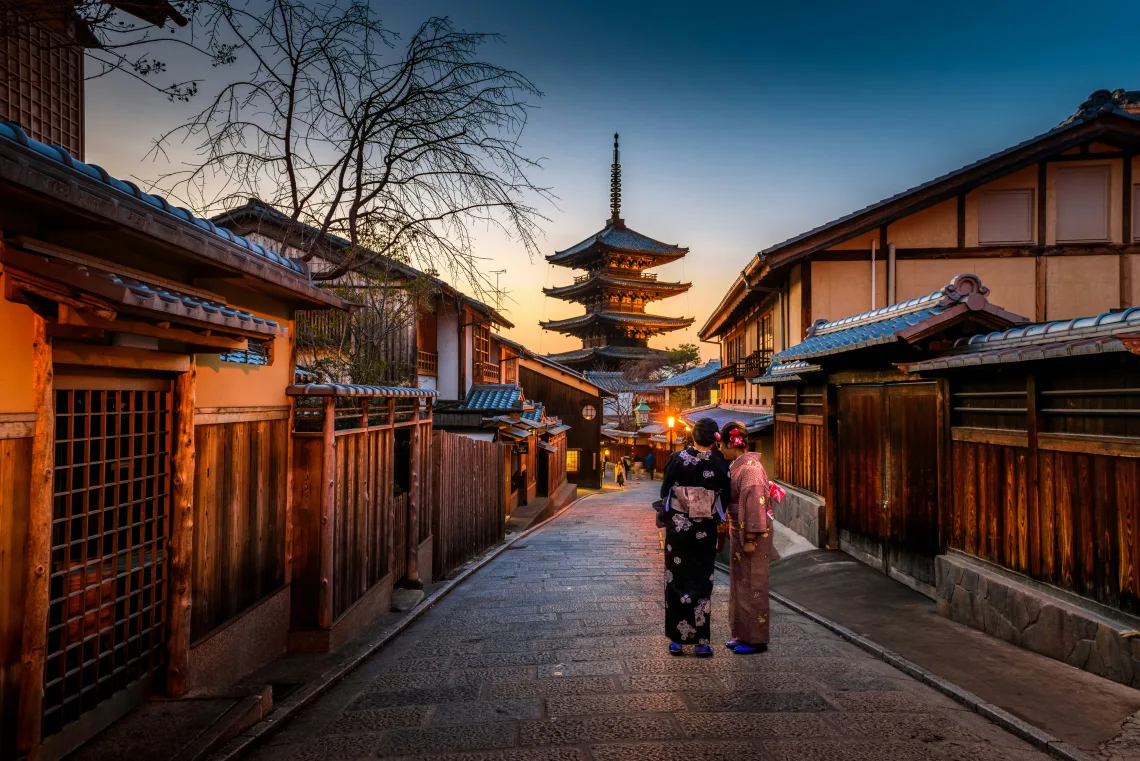
I remember my first solo trip to Japan like it was yesterday. I’d saved up for months, dreaming of cherry blossoms and sushi, but when I landed in Tokyo, the reality hit me hard. The bustling streets, the polite bows instead of handshakes, and the sheer politeness in every interaction left me feeling like an outsider peering through a window. That’s when I decided to ditch the tourist traps and dive deeper. I stayed in a tiny ryokan run by an elderly couple who taught me how to fold origami over green tea, and I wandered into a local izakaya where I bungled my order but ended up laughing with strangers over shared sake. It wasn’t perfect—I once accidentally offended someone by pointing with my chopsticks—but those moments transformed my trip from a checklist of sights to a genuine connection with a place and its people. Cultural travel isn’t about snapping photos; it’s about letting a new country change you a little, and in return, leaving with stories that stick. If you’re ready to move beyond surface-level vacations, this guide will walk you through how to truly immerse yourself, drawing from my own mishaps and triumphs, plus insights from fellow travelers who’ve been there.
Understanding Cultural Immersion
Cultural immersion means stepping beyond the role of a tourist and actively engaging with the everyday life, traditions, and values of a place. It’s not just visiting museums or landmarks; it’s participating in rituals, sharing meals, and understanding the nuances that make a society tick. Think of it as becoming a temporary local, where you learn why certain gestures matter or how history shapes daily interactions.
Why It Matters in Travel
In a world where Instagram feeds are flooded with filtered highlights, immersion reminds us that travel is about growth and empathy. It fosters respect for differences, reduces stereotypes, and creates lasting memories that go deeper than postcards. Plus, it often leads to unexpected friendships and insights that enrich your perspective long after you return home.
The Difference from Typical Tourism
Typical tourism skims the surface—think bus tours and crowded hotspots—while immersion digs in, like joining a community dance or helping at a farm. One leaves you exhausted from rushing; the other rejuvenates through meaningful connections. It’s the shift from observing to experiencing that turns a trip into a transformative journey.
Preparing for Cultural Immersion Before You Go
Preparation is key to avoiding those awkward faux pas that can make you stick out like a sore thumb. Start by reading books or watching documentaries about your destination’s history and current events. This groundwork builds excitement and equips you with context, making interactions more natural and respectful.
Research Local Customs and Etiquette
Every culture has unwritten rules, like removing shoes indoors in many Asian countries or the importance of punctuality in Germany. Use resources like Commisceo Global’s country guides to learn these. I once avoided a major blunder in India by researching temple etiquette ahead of time.
Learn Basic Language Phrases
You don’t need fluency, but phrases like “hello,” “thank you,” and “excuse me” open doors. Apps like Duolingo make it fun and easy. On my trip to Mexico, stumbling through basic Spanish led to an invitation to a family barbecue—something English alone might not have achieved.
Pack with Cultural Sensitivity in Mind
Consider modest clothing for conservative areas or eco-friendly items to align with local values. I always pack a reusable water bottle and bag to respect places emphasizing sustainability. This small act shows you’re thoughtful about your impact.
Choosing the Right Accommodation for Immersion
Where you stay sets the tone for your experience. Opt for homestays or guesthouses over chain hotels to live among locals. Platforms like Airbnb or Homestay.com connect you with hosts who share insider tips and sometimes even meals.
Homestays vs. Hostels: Pros and Cons
Homestays offer intimate cultural exchanges but might lack privacy. Hostels foster social vibes with fellow travelers, though they can feel less authentic. Weigh your comfort level— I prefer homestays for deeper dives, despite the occasional language barrier.
Eco-Lodges and Community Stays
These options support local economies and often include activities like guided nature walks. In Costa Rica, I stayed at an eco-lodge where we planted trees, blending immersion with positive impact. They’re ideal if sustainability is part of your travel ethos.
Eating Your Way into the Culture
Food is a universal language, and nothing immerses you faster than trying street eats or home-cooked meals. Skip the international chains; seek out markets where vendors banter and aromas draw you in. It’s messy, sometimes spicy, but always revealing.
Exploring Local Markets
Markets buzz with life, offering fresh produce, spices, and handicrafts. Haggle gently, chat with sellers, and sample unfamiliar fruits. In Morocco’s souks, I learned about tagine spices while bargaining for a scarf—pure magic.
Joining Cooking Classes
Hands-on classes teach recipes and stories behind them. In Thailand, a class turned into a discussion on family traditions over pad thai. Sites like EatWith or local tour operators make booking easy.
Dietary Considerations Abroad
If you have restrictions, research phrases for allergies. Many cultures accommodate, but preparation prevents mishaps. I once navigated vegan options in meat-heavy Argentina by learning key terms beforehand.
Engaging with Locals Authentically
Locals are the heart of any culture—approach with curiosity, not assumptions. Smile, ask open questions, and listen more than you speak. Genuine interest breaks barriers faster than any guidebook.
Using Apps to Meet People
Apps like Meetup or Couchsurfing connect you with events or hosts. I joined a hiking group in New Zealand via Meetup, leading to lifelong friends. They’re great for solo travelers seeking community.
Participating in Festivals and Events
Festivals showcase traditions in full color. Time your trip around them, like Diwali in India or Carnival in Brazil. Dress appropriately and join in—dancing awkwardly at a Scottish ceilidh was hilarious and bonding.
Volunteering Opportunities
Short-term volunteering, like teaching English or beach cleanups, fosters deep connections. Organizations like Workaway offer exchanges for room and board. It’s rewarding, though ensure it’s ethical.
Learning the Language on the Go
Language bridges gaps, turning transactions into conversations. Even if you’re not fluent, effort counts. Practice daily, and don’t fear mistakes—they often lead to laughs and lessons.
Best Apps for Language Learning
Duolingo gamifies lessons, while HelloTalk pairs you with native speakers. For travel-specific, try Memrise’s phrasebooks. I used Babbel in France to order croissants like a pro.
Conversation Starters
Ask about favorite local spots or family recipes. In Italy, inquiring about nonna’s pasta sauce sparked hours of chat. Keep it light and respectful to build rapport.
Overcoming Language Barriers
Use gestures, pictures, or translation apps like Google Translate. Humor helps—I once mimed “spicy” in Vietnam, eliciting giggles and milder curry.
Navigating Transportation Like a Local
Public transport immerses you in daily rhythms. Buses, trains, or bikes reveal how people commute, chat, and unwind. It’s cheaper and more authentic than taxis.
Public vs. Private Transport Comparison
| Aspect | Public Transport | Private Transport |
|---|---|---|
| Cost | Low | High |
| Immersion Level | High (interact with locals) | Low (isolated) |
| Flexibility | Fixed schedules | On-demand |
| Environmental Impact | Lower | Higher |
Public wins for immersion, though private suits remote areas.
Walking and Cycling Tours
Explore on foot or bike for intimate views. In Amsterdam, cycling like locals uncovered hidden canals. Apps like Citymapper guide you seamlessly.
Respecting Cultural Norms and Avoiding Faux Pas
Respect is immersion’s foundation. Observe, adapt, and apologize if needed. What seems normal at home might offend elsewhere, like public displays of affection in conservative spots.
Common Mistakes to Avoid
Don’t assume English is universal—try local language first. Avoid sensitive topics like politics initially. In Japan, I learned not to blow my nose loudly in public the hard way.
Handling Culture Shock
It hits everyone—embrace it as growth. Journal feelings, seek familiar comforts sparingly. My shock in India faded after a kind rickshaw driver shared tea and stories.
Tools and Resources for Immersive Travel
Equip yourself with the best tools for seamless immersion. From apps to books, these make navigation and learning effortless.
Best Apps for Cultural Travelers
- TripAdvisor for reviews
- Google Maps for offline navigation
- XE Currency for conversions
For transactional: Check Viator for best cultural tours.
Recommended Books and Guides
“Culture Shock” series demystifies norms. “The Alchemist” inspires mindful travel. Internal link: See our guide to travel books.
Online Communities
Forums like Reddit’s r/travel or Lonely Planet’s Thorn Tree offer real advice. Join before trips for tips.
Pros and Cons of Immersive Travel Approaches
Slow Travel
Pros: Deeper connections, less stress. Cons: Requires more time, might miss “must-sees.”
Group Tours vs. Solo
Group: Safety in numbers, built-in friends. Solo: Freedom, forced interactions. I mix both for balance.
People Also Ask
What is cultural immersion in travel?
Cultural immersion involves fully engaging with a destination’s customs, people, and daily life, going beyond sightseeing to participate actively and respectfully.
How can I immerse myself in a new culture?
Start by learning basics like language and etiquette, stay local, eat authentic food, and join community events. Be open and curious.
What are the benefits of cultural immersion?
It builds empathy, reduces prejudices, creates memorable experiences, and enhances personal growth. You’ll return with a broader worldview.
Where can I find authentic cultural experiences?
Look for homestays, local markets, festivals, or platforms like WithLocals. Avoid overtouristed spots.
FAQ
How long should I stay to truly immerse?
At least a week per place allows depth, but even short trips work with intention. Slow travel amplifies immersion.
Is cultural immersion safe for solo travelers?
Yes, with precautions like researching areas and staying connected. It often leads to supportive networks.
What if I make a cultural mistake?
Apologize sincerely—most people appreciate the effort. Use it as a learning moment.
Best tools for language barriers?
Google Translate for quick help, but pair with apps like Duolingo for proactive learning.
How to budget for immersive travel?
Focus on local eats and transport—cheaper than touristy options. Volunteering cuts costs too.
In wrapping up, cultural travel reshapes how we see the world and ourselves. From my fumbling attempts in foreign kitchens to heartfelt conversations in unexpected places, it’s the mishaps and connections that linger. Dive in with an open heart, and you’ll find every country has lessons to teach. Safe travels—may your journeys be as enriching as mine have been.
Leave a Reply