Category: Cultural Travel

Cultural Travel

  • Culture Travel: Pros and Cons

    Culture Travel: Pros and Cons

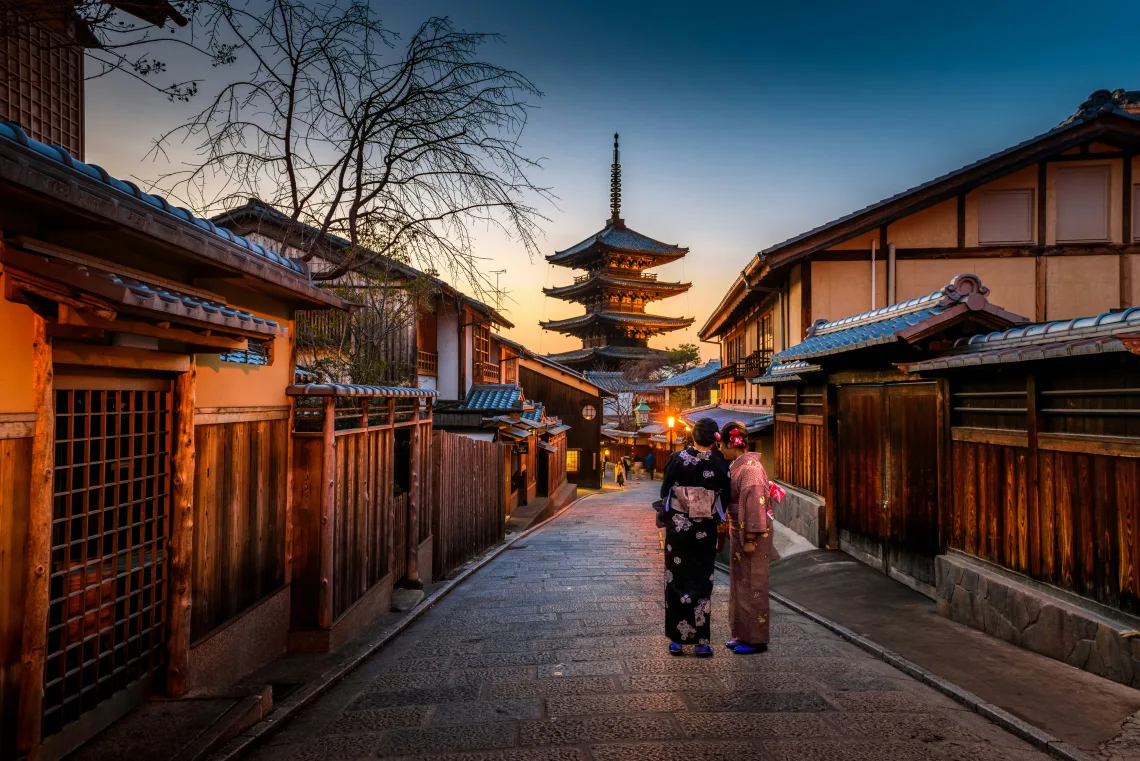
    Hey there, fellow wanderer. Remember that time I got lost in the winding streets of Kyoto, stumbling upon a tiny tea house where an elderly lady invited me in for a ceremony? That moment wasn’t just about sipping matcha; it was about connecting with a tradition that’s been passed down for centuries. It’s experiences like that which make cultural travel so addictive. But like any adventure, it’s got its ups and downs. In this deep dive, we’ll explore the pros and cons of diving headfirst into the world’s cultures, drawing from real stories, expert insights, and a bit of hard-earned wisdom from the road. Whether you’re planning your next trip or just daydreaming, let’s unpack what makes cultural travel a game-changer – or occasionally a headache.

    What is Culture Travel?

    Cultural travel, often called cultural tourism, is all about stepping beyond the typical tourist spots to immerse yourself in a place’s history, traditions, art, and everyday life. It’s not just snapping photos of landmarks; it’s participating in local festivals, learning a craft from artisans, or sharing a meal with a family in their home. According to the United Nations World Tourism Organization, it’s a type of tourism where the main goal is to experience tangible and intangible cultural attractions, like architecture, cuisine, or living customs. This approach turns a vacation into a meaningful journey that sticks with you long after you unpack.

    The Allure of Immersing in New Cultures

    There’s something magical about waking up in a foreign land and realizing your day will be filled with discoveries you couldn’t have imagined. Cultural travel pulls you out of your comfort zone in the best way, offering glimpses into how others see the world. It’s like flipping through the pages of a living history book, where every interaction adds a new chapter to your own story.

    Pros of Culture Travel

    Diving into cultural travel can transform how you view yourself and the world around you. It’s not always easy, but the rewards often outweigh the challenges. Let’s break down some key benefits that make it worth packing your bags.

    Fosters Personal Growth and Empathy

    One of the biggest wins in cultural travel is how it stretches your mind. When you engage with different ways of life, you start questioning your own assumptions – in a good way. I once joined a homestay in rural India, helping with daily chores, and it hit me how much we take simple things like running water for granted. Experiences like these build empathy, making you more open-hearted back home.

    Supports Local Economies and Heritage Preservation

    Your travel dollars can do real good when spent on cultural experiences. Buying handmade crafts or joining guided tours led by locals injects money directly into communities, helping preserve traditions that might otherwise fade. Think about it: without visitors, many artisan workshops or historic sites could shut down. It’s a win-win – you get authentic souvenirs, and they get sustainable income.

    Enhances Educational Experiences

    Cultural travel is like school, but way more fun. You learn history not from textbooks, but by walking ancient ruins or hearing stories from descendants. During a trip to Cambodia, exploring Angkor Wat with a local guide brought the Khmer Empire to life in ways no documentary could. It’s hands-on learning that sparks curiosity and deepens your understanding of global connections.

    Builds Lasting Connections and Memories

    The people you meet often become the highlight of cultural trips. Sharing laughs over street food or dancing at a festival creates bonds that transcend borders. I’ve kept in touch with a Moroccan family I met years ago, exchanging recipes and life updates. These connections turn strangers into friends and make your travels feel profoundly human.

    Promotes Cross-Cultural Understanding

    In a divided world, cultural travel acts as a bridge. By appreciating diverse beliefs and customs, you chip away at stereotypes. It’s emotional too – feeling the warmth of hospitality in a place you’ve only read about can shift your worldview. As one expert notes, it helps us see similarities amid differences, fostering global harmony.

    Cons of Culture Travel

    Of course, not every cultural dive is smooth sailing. There are pitfalls that can turn an enriching trip into a frustrating one. Being aware helps you navigate them better.

    Risk of Cultural Appropriation or Insensitivity

    It’s easy to cross lines without realizing it. Wearing traditional clothing as a costume or photographing sacred rituals without permission can offend locals. I learned this the hard way in Bali, where my innocent curiosity about a ceremony drew stern looks until a guide explained the etiquette. Respect is key, but slip-ups happen.

    Overtourism and Environmental Strain

    Popular cultural sites often suffer from too many visitors. Think Machu Picchu, where crowds erode paths and disrupt ecosystems. Your dream trip might contribute to the very degradation you’re there to admire. It’s a bitter pill – loving a place to death, literally.

    Potential for Superficial or Fragmented Experiences

    Group tours can feel rushed, giving only a snapshot of a culture. You might see the highlights but miss the depth, leaving with a skewed view. Solo travel helps, but it requires more effort to dig deeper. Sometimes, it’s frustrating to realize you’ve only scratched the surface.

    Challenges with Language and Cultural Barriers

    Miscommunications can lead to awkward or even unsafe situations. Not knowing local norms – like gestures that mean different things – might cause offense. In Japan, I once bowed too enthusiastically, eliciting chuckles, but it was a light moment. Other times, barriers can isolate you.

    Economic Exploitation or Inequality

    Not all cultural tourism benefits locals equally. Big operators might pocket profits while communities get crumbs. I’ve seen villages where tourism brings jobs but also inflation, making life harder for residents. It’s a double-edged sword that demands ethical choices from travelers.

    Pros and Cons at a Glance

    To make it clearer, here’s a quick comparison table of the key pros and cons of cultural travel.

    AspectProsCons
    Personal ImpactBuilds empathy and self-awarenessRisk of cultural misunderstandings
    Economic EffectBoosts local businesses and preservationCan lead to exploitation or inequality
    Educational ValueHands-on learning about history and traditionsPotentially superficial experiences
    Social ConnectionsFosters global friendshipsLanguage barriers hinder interactions
    Environmental/SustainabilityEncourages heritage conservationOvertourism damages sites and ecosystems

    This table highlights how the same trip can have mixed outcomes, depending on how you approach it.

    Culture Travel vs. Other Travel Styles

    Compared to beach vacations or adventure trips, cultural travel demands more engagement. Beach getaways are about relaxation – think lounging in the sun with a book. Adventure travel thrills with activities like hiking or zip-lining. Cultural travel blends education with immersion, often slower-paced but richer in meaning. For instance, while a resort stay might isolate you, cultural experiences push interaction. It’s ideal if you crave depth over downtime.

    Comparison with Mass Tourism

    Mass tourism focuses on volume – crowded buses to famous spots. Cultural travel opts for authenticity, like staying in a ryokan instead of a chain hotel. The former is convenient but generic; the latter is transformative but requires flexibility. Choose based on your goals: quick hits or lasting insights?

    Vs. Eco-Tourism

    Eco-tourism prioritizes nature and sustainability, overlapping with cultural travel in community support. But while eco focuses on wildlife, cultural dives into human stories. Combining them, like visiting indigenous tribes in the Amazon, offers the best of both worlds.

    Real-Life Examples of Cultural Travel

    Let’s get personal. I recall trekking to a remote village in Peru’s Sacred Valley, where I helped weave textiles with Quechua women. Their stories of ancient Inca techniques weren’t just informative; they were inspiring. It beat any museum visit hands down.

    Another gem: attending a flamenco show in Seville, Spain. The raw emotion in the dancers’ movements and guitar strums felt like peering into Andalusian soul. But humor alert – my attempt to join in later that night was a hilarious fail, bonding me with locals over shared laughs.

    In Mongolia, camping with nomadic herders taught me about resilience. Milking goats at dawn? Not my usual routine, but it highlighted simple joys. These stories show how cultural travel creates unforgettable, heartfelt moments.

    Exploring Morocco’s medinas, I bartered for spices in Marrakech. The chaos was overwhelming at first, but diving in revealed a vibrant trading culture. It’s these interactions that turn trips into tales worth retelling.

    People Also Ask

    Drawing from common searches, here are some real questions people have about cultural tourism, with straightforward answers.

    What is cultural tourism?

    Cultural tourism involves traveling to experience a destination’s heritage, arts, festivals, and lifestyles. It’s about active participation, like joining cooking classes or visiting museums, rather than passive sightseeing.

    What are the benefits of cultural tourism?

    It preserves traditions, boosts economies, and promotes understanding. Travelers gain empathy and knowledge, while locals benefit from income and cultural pride.

    Why is cultural tourism important?

    It fosters global connections and sustains heritage sites. In a fast-changing world, it helps keep unique customs alive and encourages respectful exchanges.

    What are examples of cultural tourism?

    Think attending the Day of the Dead in Mexico, exploring Kyoto’s temples, or tasting street food in Bangkok. These immerse you in local ways.

    Where to Find Authentic Cultural Experiences

    Looking for the real deal? Start with community-led tours on platforms like WithLocals or Airbnb Experiences. For deeper dives, organizations like Responsible Travel offer ethical options. In Europe, cities like Rome or Istanbul brim with history; in Asia, try homestays in Vietnam.

    Best Tools for Planning Cultural Trips

    Apps like Culture Trip curate insider guides. For bookings, use Viator for tours. Track sustainability with TripAdvisor’s GreenLeaders. Books like “The Art of Travel” by Alain de Botton add philosophical prep.

    How to Travel Responsibly

    Choose small-group tours over mass ones. Support fair-trade shops and eat at family-run spots. Learn basic phrases and customs via apps like Duolingo. Offset carbon with programs from MyClimate. Small steps make big differences.

    FAQ

    Is cultural travel more expensive than regular tourism?

    Not necessarily. Homestays and local eats can be budget-friendly, though specialized tours add costs. Plan smart to keep it affordable.

    How can I avoid being a disrespectful tourist?

    Research norms beforehand – read guides or watch videos. Ask permission for photos, dress appropriately, and tip generously. When in doubt, observe locals.

    What are the environmental impacts of cultural travel?

    It can strain resources through crowds, but choosing eco-friendly operators minimizes harm. Opt for low-impact activities like walking tours.

    Can cultural travel be done solo?

    Absolutely. It offers freedom to explore at your pace, though joining groups for safety in unfamiliar areas is wise.

    How does cultural travel differ from heritage tourism?

    Heritage focuses on historical sites; cultural includes modern lifestyles too. Both overlap, but cultural is broader.

    In wrapping up, cultural travel’s pros – from empathy-building to economic uplift – often shine brighter than the cons, like potential insensitivity or overtourism. It’s about balance: approach with curiosity and respect, and you’ll come home richer in spirit. My Kyoto tea moment? It reminded me travel isn’t just seeing the world; it’s feeling it. So, what’s your next cultural adventure? Whatever it is, make it count.

  • Cultural Travel: How to Immerse Yourself in a New Country

    Cultural Travel: How to Immerse Yourself in a New Country

    I remember my first solo trip to Japan like it was yesterday. I’d saved up for months, dreaming of cherry blossoms and sushi, but when I landed in Tokyo, the reality hit me hard. The bustling streets, the polite bows instead of handshakes, and the sheer politeness in every interaction left me feeling like an outsider peering through a window. That’s when I decided to ditch the tourist traps and dive deeper. I stayed in a tiny ryokan run by an elderly couple who taught me how to fold origami over green tea, and I wandered into a local izakaya where I bungled my order but ended up laughing with strangers over shared sake. It wasn’t perfect—I once accidentally offended someone by pointing with my chopsticks—but those moments transformed my trip from a checklist of sights to a genuine connection with a place and its people. Cultural travel isn’t about snapping photos; it’s about letting a new country change you a little, and in return, leaving with stories that stick. If you’re ready to move beyond surface-level vacations, this guide will walk you through how to truly immerse yourself, drawing from my own mishaps and triumphs, plus insights from fellow travelers who’ve been there.

    Understanding Cultural Immersion

    Cultural immersion means stepping beyond the role of a tourist and actively engaging with the everyday life, traditions, and values of a place. It’s not just visiting museums or landmarks; it’s participating in rituals, sharing meals, and understanding the nuances that make a society tick. Think of it as becoming a temporary local, where you learn why certain gestures matter or how history shapes daily interactions.

    Why It Matters in Travel

    In a world where Instagram feeds are flooded with filtered highlights, immersion reminds us that travel is about growth and empathy. It fosters respect for differences, reduces stereotypes, and creates lasting memories that go deeper than postcards. Plus, it often leads to unexpected friendships and insights that enrich your perspective long after you return home.

    The Difference from Typical Tourism

    Typical tourism skims the surface—think bus tours and crowded hotspots—while immersion digs in, like joining a community dance or helping at a farm. One leaves you exhausted from rushing; the other rejuvenates through meaningful connections. It’s the shift from observing to experiencing that turns a trip into a transformative journey.

    Preparing for Cultural Immersion Before You Go

    Preparation is key to avoiding those awkward faux pas that can make you stick out like a sore thumb. Start by reading books or watching documentaries about your destination’s history and current events. This groundwork builds excitement and equips you with context, making interactions more natural and respectful.

    Research Local Customs and Etiquette

    Every culture has unwritten rules, like removing shoes indoors in many Asian countries or the importance of punctuality in Germany. Use resources like Commisceo Global’s country guides to learn these. I once avoided a major blunder in India by researching temple etiquette ahead of time.

    Learn Basic Language Phrases

    You don’t need fluency, but phrases like “hello,” “thank you,” and “excuse me” open doors. Apps like Duolingo make it fun and easy. On my trip to Mexico, stumbling through basic Spanish led to an invitation to a family barbecue—something English alone might not have achieved.

    Pack with Cultural Sensitivity in Mind

    Consider modest clothing for conservative areas or eco-friendly items to align with local values. I always pack a reusable water bottle and bag to respect places emphasizing sustainability. This small act shows you’re thoughtful about your impact.

    Choosing the Right Accommodation for Immersion

    Where you stay sets the tone for your experience. Opt for homestays or guesthouses over chain hotels to live among locals. Platforms like Airbnb or Homestay.com connect you with hosts who share insider tips and sometimes even meals.

    Homestays vs. Hostels: Pros and Cons

    Homestays offer intimate cultural exchanges but might lack privacy. Hostels foster social vibes with fellow travelers, though they can feel less authentic. Weigh your comfort level— I prefer homestays for deeper dives, despite the occasional language barrier.

    Eco-Lodges and Community Stays

    These options support local economies and often include activities like guided nature walks. In Costa Rica, I stayed at an eco-lodge where we planted trees, blending immersion with positive impact. They’re ideal if sustainability is part of your travel ethos.

    Eating Your Way into the Culture

    Food is a universal language, and nothing immerses you faster than trying street eats or home-cooked meals. Skip the international chains; seek out markets where vendors banter and aromas draw you in. It’s messy, sometimes spicy, but always revealing.

    Exploring Local Markets

    Markets buzz with life, offering fresh produce, spices, and handicrafts. Haggle gently, chat with sellers, and sample unfamiliar fruits. In Morocco’s souks, I learned about tagine spices while bargaining for a scarf—pure magic.

    Joining Cooking Classes

    Hands-on classes teach recipes and stories behind them. In Thailand, a class turned into a discussion on family traditions over pad thai. Sites like EatWith or local tour operators make booking easy.

    Dietary Considerations Abroad

    If you have restrictions, research phrases for allergies. Many cultures accommodate, but preparation prevents mishaps. I once navigated vegan options in meat-heavy Argentina by learning key terms beforehand.

    Engaging with Locals Authentically

    Locals are the heart of any culture—approach with curiosity, not assumptions. Smile, ask open questions, and listen more than you speak. Genuine interest breaks barriers faster than any guidebook.

    Using Apps to Meet People

    Apps like Meetup or Couchsurfing connect you with events or hosts. I joined a hiking group in New Zealand via Meetup, leading to lifelong friends. They’re great for solo travelers seeking community.

    Participating in Festivals and Events

    Festivals showcase traditions in full color. Time your trip around them, like Diwali in India or Carnival in Brazil. Dress appropriately and join in—dancing awkwardly at a Scottish ceilidh was hilarious and bonding.

    Volunteering Opportunities

    Short-term volunteering, like teaching English or beach cleanups, fosters deep connections. Organizations like Workaway offer exchanges for room and board. It’s rewarding, though ensure it’s ethical.

    Learning the Language on the Go

    Language bridges gaps, turning transactions into conversations. Even if you’re not fluent, effort counts. Practice daily, and don’t fear mistakes—they often lead to laughs and lessons.

    Best Apps for Language Learning

    Duolingo gamifies lessons, while HelloTalk pairs you with native speakers. For travel-specific, try Memrise’s phrasebooks. I used Babbel in France to order croissants like a pro.

    Conversation Starters

    Ask about favorite local spots or family recipes. In Italy, inquiring about nonna’s pasta sauce sparked hours of chat. Keep it light and respectful to build rapport.

    Overcoming Language Barriers

    Use gestures, pictures, or translation apps like Google Translate. Humor helps—I once mimed “spicy” in Vietnam, eliciting giggles and milder curry.

    Navigating Transportation Like a Local

    Public transport immerses you in daily rhythms. Buses, trains, or bikes reveal how people commute, chat, and unwind. It’s cheaper and more authentic than taxis.

    Public vs. Private Transport Comparison

    AspectPublic TransportPrivate Transport
    CostLowHigh
    Immersion LevelHigh (interact with locals)Low (isolated)
    FlexibilityFixed schedulesOn-demand
    Environmental ImpactLowerHigher

    Public wins for immersion, though private suits remote areas.

    Walking and Cycling Tours

    Explore on foot or bike for intimate views. In Amsterdam, cycling like locals uncovered hidden canals. Apps like Citymapper guide you seamlessly.

    Respecting Cultural Norms and Avoiding Faux Pas

    Respect is immersion’s foundation. Observe, adapt, and apologize if needed. What seems normal at home might offend elsewhere, like public displays of affection in conservative spots.

    Common Mistakes to Avoid

    Don’t assume English is universal—try local language first. Avoid sensitive topics like politics initially. In Japan, I learned not to blow my nose loudly in public the hard way.

    Handling Culture Shock

    It hits everyone—embrace it as growth. Journal feelings, seek familiar comforts sparingly. My shock in India faded after a kind rickshaw driver shared tea and stories.

    Tools and Resources for Immersive Travel

    Equip yourself with the best tools for seamless immersion. From apps to books, these make navigation and learning effortless.

    Best Apps for Cultural Travelers

    • TripAdvisor for reviews
    • Google Maps for offline navigation
    • XE Currency for conversions

    For transactional: Check Viator for best cultural tours.

    Recommended Books and Guides

    “Culture Shock” series demystifies norms. “The Alchemist” inspires mindful travel. Internal link: See our guide to travel books.

    Online Communities

    Forums like Reddit’s r/travel or Lonely Planet’s Thorn Tree offer real advice. Join before trips for tips.

    Pros and Cons of Immersive Travel Approaches

    Slow Travel

    Pros: Deeper connections, less stress. Cons: Requires more time, might miss “must-sees.”

    Group Tours vs. Solo

    Group: Safety in numbers, built-in friends. Solo: Freedom, forced interactions. I mix both for balance.

    People Also Ask

    What is cultural immersion in travel?

    Cultural immersion involves fully engaging with a destination’s customs, people, and daily life, going beyond sightseeing to participate actively and respectfully.

    How can I immerse myself in a new culture?

    Start by learning basics like language and etiquette, stay local, eat authentic food, and join community events. Be open and curious.

    What are the benefits of cultural immersion?

    It builds empathy, reduces prejudices, creates memorable experiences, and enhances personal growth. You’ll return with a broader worldview.

    Where can I find authentic cultural experiences?

    Look for homestays, local markets, festivals, or platforms like WithLocals. Avoid overtouristed spots.

    FAQ

    How long should I stay to truly immerse?

    At least a week per place allows depth, but even short trips work with intention. Slow travel amplifies immersion.

    Is cultural immersion safe for solo travelers?

    Yes, with precautions like researching areas and staying connected. It often leads to supportive networks.

    What if I make a cultural mistake?

    Apologize sincerely—most people appreciate the effort. Use it as a learning moment.

    Best tools for language barriers?

    Google Translate for quick help, but pair with apps like Duolingo for proactive learning.

    How to budget for immersive travel?

    Focus on local eats and transport—cheaper than touristy options. Volunteering cuts costs too.

    In wrapping up, cultural travel reshapes how we see the world and ourselves. From my fumbling attempts in foreign kitchens to heartfelt conversations in unexpected places, it’s the mishaps and connections that linger. Dive in with an open heart, and you’ll find every country has lessons to teach. Safe travels—may your journeys be as enriching as mine have been.

  • Adventurer’s Guide to Cultural Travel

    Adventurer’s Guide to Cultural Travel

    Picture this: I’m wandering through the labyrinthine souks of Marrakech, the air thick with the scent of spices and leather, when a local artisan invites me into his workshop. We share mint tea, and he shows me how to hammer intricate patterns into brass. That moment wasn’t in any guidebook—it was pure, unscripted magic. Cultural travel isn’t about ticking boxes; it’s about diving headfirst into the soul of a place, emerging a little wiser, a little more connected. If you’re the kind of adventurer who craves stories over selfies, this guide is your roadmap to transformative journeys that honor traditions while sparking your inner explorer.

    What is Cultural Travel?

    Cultural travel goes beyond sightseeing—it’s an immersive dive into the customs, beliefs, and daily rhythms of a destination. Think of it as stepping into someone else’s world, where every interaction teaches you something new. It’s not just visiting museums; it’s participating in festivals, tasting street food, and chatting with locals to understand their way of life.

    Whether you’re a solo wanderer or part of a group, this approach fosters respect and curiosity, turning trips into personal growth adventures.

    Why Embark on Cultural Adventures?

    There’s something exhilarating about swapping your comfort zone for the unknown—it reshapes how you see the world. Cultural adventures build empathy, challenge stereotypes, and create lasting memories that outshine any postcard. Plus, they support local communities by directing your spending toward authentic experiences.

    I once joined a homestay in rural India, learning to cook dal from a grandmother who shared tales of her youth; it was more rewarding than any luxury resort.

    Planning Your Cultural Journey

    Start with research: Dive into books, blogs, and forums to grasp a place’s history and norms. Set intentions—do you want to focus on food, art, or festivals? Budget for experiences like workshops or local guides, and leave room for spontaneity.

    Pack light but smart: Versatile clothing that respects local dress codes, a reusable water bottle, and an open mind are essentials.

    Choosing Destinations Wisely

    Look for spots rich in heritage but not overrun by tourists—think hidden gems over hotspots. Consider seasons for festivals or quieter visits, and prioritize sustainable options that benefit locals.

    My tip: Mix iconic sites with off-beat paths for a balanced adventure.

    Budgeting for Immersion

    Allocate funds for unique activities: Cooking classes might cost $50, while a festival ticket could be free. Use apps to track expenses and find deals on homestays or public transport.

    Remember, the richest experiences often come cheap—like a street-side chat over tea.

    Top Destinations for Cultural Explorers

    From ancient ruins to vibrant markets, these spots offer layers of history and tradition waiting to be uncovered. Each one invites you to engage deeply, whether through rituals or everyday encounters.

    I’ve chased sunrises in Bali and danced at Moroccan weddings—these places linger in your heart long after.

    Kyoto, Japan: Temples and Tranquility

    Kyoto’s serene shrines and tea ceremonies embody timeless elegance. Wander bamboo groves or join a kimono workshop to feel the harmony of ancient practices.

    It’s a place where modernity bows to tradition, offering peace amid cherry blossoms.

    Marrakech, Morocco: Souks and Stories

    The medina’s chaotic energy hides treasures like riad stays and tagine cooking lessons. Haggle for spices, listen to storytellers in Jemaa el-Fnaa, and let the call to prayer guide your rhythm.

    Beware the heat—early mornings are best for authentic encounters.

    Rome, Italy: Eternal Layers

    Rome’s ruins whisper of empires, while neighborhoods buzz with la dolce vita. Skip lines at the Colosseum for lesser-known forums, or learn pasta-making from a nona.

    Every corner holds history, but the real magic is in the gelato-fueled strolls.

    Istanbul, Turkey: East Meets West

    Straddling continents, Istanbul blends mosques, bazaars, and Byzantine wonders. Sip Turkish coffee in historic cafes or cruise the Bosphorus for panoramic insights.

    It’s a sensory feast—don’t miss the hammams for a steamy cultural reset.

    Cultural Etiquette Essentials

    Respect is your passport to genuine connections—learn dos and don’ts to avoid faux pas. Simple gestures like removing shoes or greeting properly open doors.

    I once offended a host in Japan by not bowing deeply enough; a quick apology turned it into a laugh.

    Greeting Customs Around the World

    In France, cheek kisses vary by region—two or three? In India, a namaste with folded hands shows humility.

    Observe locals first; mimicking builds rapport faster than words.

    Dining Dos and Don’ts

    Belching in China compliments the chef, but in Europe, it’s rude. Always wait for the host to start, and try everything offered.

    Humor alert: Asking for soy sauce on sushi in Japan? Might as well wear socks with sandals.

    Photography with Permission

    Snap respectfully—ask before photographing people, especially in sacred sites. In some cultures, it’s believed to steal souls.

    Capture moments, but live them too; phones down during rituals.

    Packing for Cultural Immersion

    Essentials include modest clothing for temples, comfortable shoes for walking tours, and a journal for reflections. Don’t forget adapters and eco-friendly items to minimize impact.

    I always pack a scarf—versatile for covering shoulders or impromptu picnics.

    Must-Have Gear

    • Reusable tote for market finds
    • Language phrasebook or app
    • Portable charger for long days

    These keep you prepared without overpacking.

    What to Leave Behind

    Skip bulky luggage; opt for carry-on to move freely. Leave preconceptions at home—they block authentic discoveries.

    Less stuff means more room for souvenirs like handmade crafts.

    Best Tools and Apps for Cultural Travelers

    Tech enhances immersion without replacing it—use apps for translations and hidden gems. From mapping festivals to learning phrases, these tools are game-changers.

    I’ve relied on them to find off-grid art workshops in unexpected places.

    Top Apps to Download

    Google Translate for real-time chats, Culture Trip for insider guides, and Duolingo for quick language boosts. They make navigating foreign lands feel like second nature.

    Bonus: Offline modes save data abroad.

    Gear for Documentation

    A compact camera or smartphone with good low-light capabilities captures festivals beautifully. Journal apps like Day One preserve stories alongside photos.

    Remember, the best tool is your curiosity.

    Pros and Cons of Cultural Travel

    Pros: Deep connections, personal growth, unique stories. Cons: Potential culture shock, language barriers, ethical dilemmas. Weigh them to see if it’s your style.

    Overall, the rewards far outweigh the challenges for true adventurers.

    • Pros:
    • Builds global empathy
    • Supports local economies
    • Creates lifelong memories
    • Cons:
    • Can be physically demanding
    • Requires flexibility
    • Risk of overtourism impact

    Comparing Travel Styles: Cultural vs. Adventure vs. Luxury

    AspectCultural TravelAdventure TravelLuxury Travel
    FocusImmersion in traditionsThrills like hikingComfort and indulgence
    CostModerate, experience-basedVariable, gear-heavyHigh, amenities-focused
    PaceSlow, reflectiveFast, energeticRelaxed, pampered
    ImpactHigh on personal growthPhysical fitness boostRelaxation and recharge

    Cultural travel blends elements of both, offering depth without extremes.

    It’s ideal if you want meaning alongside excitement.

    People Also Ask

    What is cultural travel?

    Cultural travel involves engaging with a destination’s heritage, people, and customs for a deeper understanding. It’s about authentic experiences over superficial visits.

    How can I travel more immersively?

    Stay with locals, eat street food, and join workshops—skip tourist traps for real interactions. Research and respect norms to enhance connections.

    What are the best cultural destinations?

    Kyoto, Marrakech, Rome, and Istanbul top lists for their rich histories and vibrant traditions. Each offers unique immersion opportunities.

    Why is etiquette important in cultural travel?

    It shows respect, prevents misunderstandings, and fosters positive exchanges with hosts. Simple awareness goes a long way.

    Overcoming Challenges in Cultural Travel

    Language barriers? Use gestures and smiles—they’re universal. Culture shock hits everyone; embrace it as part of the growth.

    I got lost in Hanoi once—ended up at a family dinner, best mishap ever.

    Dealing with Discomfort

    Step outside your bubble; discomfort often leads to breakthroughs. Hydrate, rest, and reflect to stay grounded.

    Humor helps—laugh off awkward moments.

    Ethical Considerations

    Support sustainable practices: Choose eco-friendly tours and avoid exploiting animals. Your choices shape the future of these places.

    Be a force for good, not just a visitor.

    Sustainable Cultural Travel Practices

    Minimize footprints: Use public transport, eat local, and offset carbon. Engage in voluntourism thoughtfully to give back.

    Preserving cultures ensures future adventurers can enjoy them too.

    Supporting Local Economies

    Buy handicrafts directly from artisans, dine at family-run spots. It empowers communities and enriches your trip.

    Avoid chains—authenticity tastes better.

    Eco-Friendly Tips

    Carry reusables, respect wildlife, and learn about conservation efforts. Small actions add up to big impacts.

    Travel green, leave only footprints.

    Personal Stories from the Road

    In Peru, I hiked to Machu Picchu at dawn, sharing quinoa with Quechua porters—their stories of Inca legacy humbled me. It wasn’t the view; it was the human connection that stayed.

    Another time in Vietnam, a cyclo driver taught me bargaining with grins—lost the deal, won a friend.

    These tales remind us: People make places unforgettable.

    Where to Get More Inspiration

    Check sites like Culture Trip for guides or Adventures Abroad for tours. Internal link: See our packing guide.

    Books like “The Art of Travel” fuel the wanderlust.

    Best Tools for Booking Cultural Experiences

    Platforms like Viator or GetYourGuide offer workshops and tours. For homestays, try Airbnb Experiences.

    Book early for festivals to secure spots.

    FAQ

    What makes cultural travel different from regular tourism?

    It emphasizes immersion and respect, focusing on local life over attractions. You’ll learn and connect deeply.

    How do I find authentic experiences?

    Research via apps, ask locals, or join small-group tours. Avoid mass-market options.

    Is cultural travel safe for solo adventurers?

    Yes, with common sense—research areas, stay alert, and trust instincts. Many find it empowering.

    What if I make a cultural mistake?

    Apologize sincerely; most people appreciate the effort. It often leads to teachable moments.

    How can I minimize my environmental impact?

    Choose eco-lodges, reduce plastic, and support conservation. Travel mindfully.

    As you set off on your cultural adventures, remember: The world is a tapestry of stories waiting for you to weave yours in. Whether bargaining in a bazaar or sharing silence in a temple, these experiences shape who you are. Safe travels—may your journeys be as enriching as they are exciting.