Category: Adventure Travel

  • Pakistan Adventure Tours & Activities: Your Ultimate Guide to Thrilling Escapes

    Pakistan Adventure Tours & Activities: Your Ultimate Guide to Thrilling Escapes

    Imagine standing at the edge of a glacier, the crisp mountain air biting at your cheeks, while the world’s second-highest peak, K2, looms like a silent guardian in the distance. That’s the kind of raw, heart-pounding magic Pakistan delivers to adventure seekers. This isn’t just a destination—it’s a playground for those craving unfiltered thrills amid stunning landscapes and warm hospitality. From trekking ancient trails to rafting wild rivers, Pakistan’s adventure scene has exploded in recent years, drawing intrepid travelers who swap crowded tourist spots for authentic, off-the-grid experiences. Whether you’re a solo hiker or part of a group tour, this guide dives deep into the best tours and activities, blending practical advice with stories that’ll make you book your flight tomorrow.

    Discovering Pakistan’s Adventure Landscape

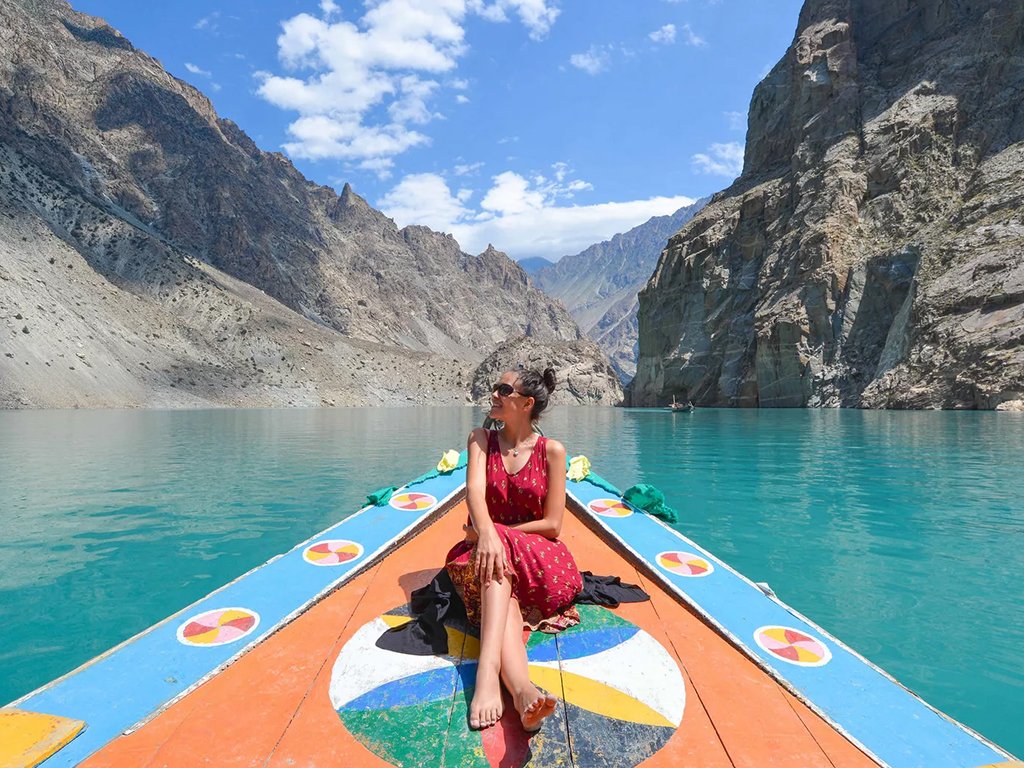
    Pakistan’s terrain is a dream for adventurers, boasting three major mountain ranges—the Himalayas, Hindu Kush, and Karakoram—that cradle some of the planet’s most dramatic scenery. Think turquoise lakes, towering peaks over 8,000 meters, and valleys echoing with centuries-old folklore. What sets it apart? The blend of natural wonders with cultural depth, where a day’s hike might end with tea in a local village. It’s no wonder tourism here has surged, with over 11,000 foreign visitors hitting the northern regions last year alone, seeking that elusive mix of adrenaline and serenity.

    The Northern Wonders: Gilgit-Baltistan and Khyber Pakhtunkhwa

    Up north, Gilgit-Baltistan feels like stepping into a fantasy novel, with snow-capped giants and emerald valleys. This is prime territory for high-altitude treks and cultural immersions. Khyber Pakhtunkhwa adds lush forests and roaring rivers, perfect for those who prefer their adventures with a side of history. It’s where I once got lost in the mist near Fairy Meadows—more on that later—but emerged with stories that still give me chills.

    Southern Thrills: From Deserts to Coasts

    Don’t overlook the south; Balochistan’s deserts offer camel safaris under starlit skies, while Sindh’s coastal areas buzz with water sports. It’s less crowded than the north, giving a raw, untamed vibe. Picture dune bashing in the Thar Desert, where the silence is broken only by the wind— a stark contrast to the bustling northern trails.

    Top Adventure Activities in Pakistan

    Pakistan packs a punch with activities that cater to every thrill level, from gentle jeep rides to extreme climbs. The key? Pairing them with guided tours for safety and insider knowledge. Here’s a rundown of the must-dos, each promising that “wow” moment.

    Trekking Through Epic Trails

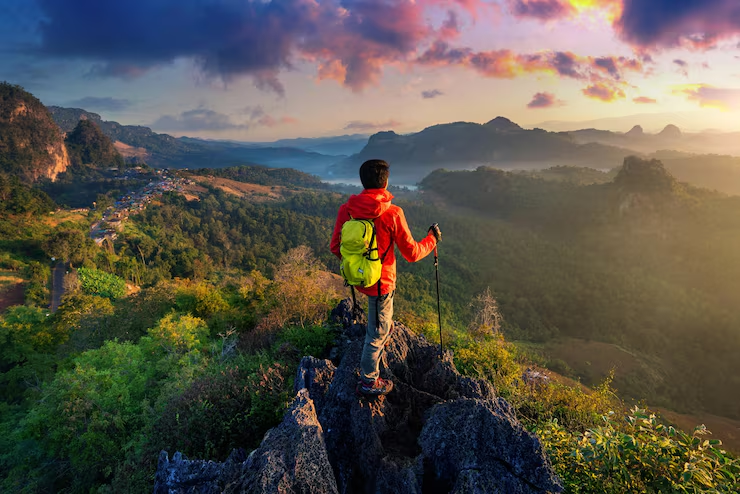
    Trekking reigns supreme here, with paths like the K2 Base Camp drawing hardcore hikers for its glacier views and high passes. Routes vary from moderate valley strolls to multi-week epics crossing the Gondogoro La. Expect breathtaking panoramas, but pack for altitude—I’ve seen pros turn back from unexpected weather shifts.

    Mountaineering and Peak Conquests

    For climbers, Pakistan is heaven with five 8,000-meter peaks, including K2 and Nanga Parbat. Expeditions like those to Laila Peak (6,096m) blend challenge with beauty, often starting from remote villages like Hushe. It’s not for novices—think ice walls and ridges—but the summit rush is unmatched. One climber I met described it as “dancing with danger under golden sunsets.”

    White-Water Rafting and Kayaking

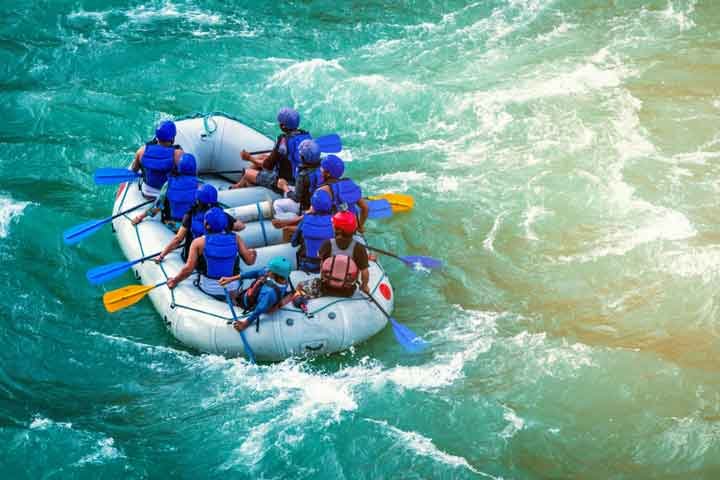
    Rivers like the Indus and Swat offer grade III-V rapids for rafting thrills, especially in summer when melts create wild waves. Kayaking spots in Hunza provide calmer paddles with mountain backdrops. It’s exhilarating yet accessible; my first raft flip left me laughing, soaked, and hooked—pro tip: grip that paddle like your life depends on it.

    Paragliding Over Valleys

    Soar above Hunza or Haripur for bird’s-eye views of terraced fields and peaks. Tandem flights make it beginner-friendly, lasting 15-30 minutes. The wind rushing past, valleys unfolding below—it’s pure freedom. I tried it once and felt like a kid again, minus the scraped knees.

    Jeep Safaris and Off-Road Adventures

    Bounce along the Karakoram Highway, dubbed the “Eighth Wonder,” for jeep safaris hitting high passes and lakes. Routes from Islamabad to Khunjerab Pass mix scenery with cultural stops. It’s less strenuous but no less thrilling—especially when roads hug cliffs that make your stomach drop.

    Skiing and Winter Sports

    Come winter, spots like Malam Jabba in Swat turn into ski havens with fresh powder and modern lifts. It’s underrated compared to Alps, but affordable and scenic. Bundle up for sub-zero fun; one snowy wipeout taught me humility—and the joy of hot chai afterward.

    • Bullet Points for Quick Picks:
    • Trekking: Ideal for nature lovers; start with Fairy Meadows for moderate vibes.
    • Rafting: Group fun; book in summer for peak rapids.
    • Paragliding: Short bursts of adrenaline; great for photos.
    • Jeep Safaris: Family-friendly; covers more ground.

    Best Adventure Tours to Book

    Choosing the right tour turns a good trip into legendary. Based on top operators, here’s a curated list—focus on licensed ones for safety. Prices range from $1,000-$5,000 for 10-15 days, covering guides, meals, and permits.

    Tour NameOperatorDurationHighlightsCost (USD)Best For
    K2 Base Camp TrekSkardu Expedition20 daysConcordia views, glaciers, high passes$2,500Experienced trekkers
    Hunza Valley ExplorerG Adventures15 daysCultural sites, lakes, jeep rides$1,800Beginners & families
    Nangma Valley TrekIntrepid Travel10 daysRock climbing, remote valleys$1,200Adventure mix
    Karakoram Highway SafariTourRadar12 daysHigh passes, local eats$1,500Road trippers
    Laila Peak ExpeditionApricot Tours28 daysSummit climb, Hushe start$4,000Mountaineers

    Comparing Group vs. Private Tours

    Group tours shine for camaraderie and cost-sharing—think shared laughs over campfires—but can feel rigid. Private ones offer flexibility, like custom pacing, at 20-50% more cost. Pros of groups: Built-in friends, expert-led. Cons: Less personalization. For solos, groups add safety; couples might prefer private for romance.

    Pros and Cons of Seasonal Adventures

    Summer (June-August) pros: Ideal trekking weather, open passes. Cons: Crowds in popular spots. Winter pros: Skiing solitude, festive vibes. Cons: Road closures, cold snaps. Spring/Fall balance both—fewer people, vibrant colors, but pack layers for surprises.

    Safety Tips for Adventure Seekers

    Pakistan’s adventures are safe with prep, but respect the wild elements. Always check advisories—northern areas are generally secure, but borders need caution. Hire local guides; they’re lifesavers in remote spots. My tip? Trust instincts—if a trail feels off, turn back.

    • Essential Safety Bullets:
    • Get travel insurance covering evacuations—rescues start at $15,000.
    • Acclimatize to altitude; headaches hit hard above 3,000m.
    • Pack essentials: Water purifiers, first-aid, layers for weather swings.
    • Avoid solo hikes in restricted zones; inform locals of plans.
    • Respect culture: Modest dress, ask before photos.

    Stay hydrated, watch for ticks post-hikes, and never drink untreated water. For women, group tours add comfort—I’ve heard empowering stories from solo female travelers bonding with locals.

    People Also Ask

    Drawing from common queries on Google, here’s straight answers optimized for quick reads.

    Is Pakistan Safe for Adventure Tours?

    Yes, especially in northern tourist areas like Hunza and Skardu, where security has improved dramatically. Stick to guided tours, avoid borders, and follow advisories—millions visit safely yearly.

    What’s the Best Time for Adventure Activities in Pakistan?

    Summer (June-August) for trekking and rafting; winter (December-February) for skiing. Shoulder seasons offer fewer crowds and milder weather—plan around monsoons in July.

    How Much Do Adventure Tours Cost?

    Budget $1,000-$2,000 for 10-day group tours; expeditions hit $4,000+. Includes guides, but add flights and tips—affordable compared to similar spots like Nepal.

    What Are the Top Adventure Spots?

    Hunza for valleys, Skardu for peaks, Swat for rivers. Each offers unique thrills—Hunza’s my fave for its apricot blooms and friendly vibes.

    Do I Need a Visa for Pakistan Adventures?

    Most need an e-visa; apply online with tour invites. It’s straightforward—process takes days, valid 90 days.

    Planning Your Trip: Where to Get Started

    Start with reputable operators like Apricot Tours for local expertise or G Adventures for international standards—book via their sites or TourRadar for deals. Internal links: Check our Pakistan Trekking Guide or Safety Essentials. Fly into Islamabad, then domestic to Skardu—budget $100-200 roundtrip.

    For transactional ease, top tools include the Pakistan Traveller e-book for maps, or apps like Zong for local SIMs. Compare via sites like The Broke Backpacker for budget picks.

    Personal Stories from the Trails

    I’ll never forget my trek to Fairy Meadows—jeep rattling up a death-defying road, then hiking through pine forests to a meadow straight out of a postcard, Nanga Parbat glowing at sunset. Met a local shepherd who shared stories of ancient migrations over milky tea; it humanized the grandeur. Another time, rafting the Indus, our boat flipped—hilarious chaos, but the team’s quick rescue turned fear into friendship. These moments? They remind me why Pakistan steals hearts: It’s not just views, it’s connections that linger.

    Humor hit when I slipped on ice near Concordia—landed butt-first, laughing with porters who joked I’d “kissed the glacier.” Emotionally, watching sunrise over Hunza’s orchards stirred a deep peace, like the mountains whispered secrets. Real travelers echo this: One X post raved about Shogran’s snowfall turning a family trip magical, while another shared K2’s humbling scale.

    FAQ

    How Do I Choose the Right Adventure Tour Operator?

    Look for licensed ones with reviews on TripAdvisor or TourRadar. Prioritize those affiliated with PATO for ethical practices—read testimonials for real insights.

    What Gear Should I Pack for Pakistan Adventures?

    Essentials: Sturdy boots, thermal layers, sunscreen, and a power bank. For treks, add trekking poles; rafting needs quick-dry clothes. Don’t forget meds for altitude.

    Are There Women-Only Adventure Tours?

    Yes, operators like Intentional Detours offer female-led groups for safety and empowerment—perfect for solo travelers seeking sisterhood amid the peaks.

    Can Beginners Join High-Altitude Treks?

    Absolutely, with guided tours like Hunza’s easy walks. Build stamina first; operators assess fitness—start small to avoid altitude woes.

    What’s the Environmental Impact of These Tours?

    Sustainable operators minimize it via eco-camps and no-trace policies. Choose those supporting locals—your trip can aid conservation in fragile areas.

    Pakistan’s adventures aren’t just trips—they’re transformations. From the thrill of conquering a pass to the quiet joy of a valley sunset, it’s a land that rewards the bold. Ready to dive in? Your epic story awaits.
  • Adventure Tourism and Its Ways of Transforming Lives

    Adventure Tourism and Its Ways of Transforming Lives

    Remember that crisp morning in the Himalayas when I laced up my boots for a trek to Everest Base Camp? The air was thin, my legs burned, but crossing that final ridge revealed a view that shattered my everyday worries. Adventure tourism isn’t just about checking off bucket lists—it’s about those raw moments that reshape who you are. I’ve chased thrills from rafting wild rivers in Costa Rica to zip-lining through Costa Rican rainforests, and each one left me a little braver, a bit more connected to the world. If you’ve ever felt stuck in routine, this is your nudge to dive in; let’s explore how these experiences can truly transform lives.

    What is Adventure Tourism?

    Adventure tourism blends travel with excitement, pushing you into activities that demand physical effort, cultural dives, or nature immersion. It’s not lounging by a pool—think scaling peaks or paddling rapids that test your limits. As the Adventure Travel Trade Association notes, it often includes at least two elements: nature, culture, and activity. This niche has exploded, with the market projected to hit $4.6 trillion by 2032, drawing folks seeking more than selfies.

    Defining the Thrill

    At its core, adventure tourism involves perceived risk and skill-building, from soft hikes to hardcore expeditions. It’s that adrenaline rush mixed with self-discovery, where you might kayak fjords or safari through savannas. Unlike mass tourism, it fosters personal stories, like the time I got lost on a trail in Patagonia and found my inner navigator.

    Evolution of Adventure Travel

    Adventure tourism evolved from explorers like Shackleton to modern eco-tours in the late 20th century. Today, it’s more accessible, with operators offering guided thrills in remote spots. This shift emphasizes sustainability, turning risky jaunts into meaningful journeys that respect local environments and cultures.

    The Transformative Power of Adventure Tourism

    Diving into adventure tourism sparks changes you didn’t see coming—it’s like therapy with a side of scenery. Studies show it boosts well-being, resilience, and even happiness long after you unpack. I’ve seen friends return from trips as bolder versions of themselves, proving these experiences rewrite personal narratives.

    Personal Growth Through Challenges

    Facing challenges head-on in adventure settings builds character faster than any self-help book. Whether conquering a rock face or navigating foreign trails, you learn your strengths. One trek in Nepal taught me patience when weather delayed us—small wins like that accumulate into profound growth.

    Building Resilience and Confidence

    Adventure tourism hones resilience by throwing curveballs, like sudden storms or tough terrain. Overcoming them spikes confidence; I recall white-water rafting in Zambia, flipping the boat, and emerging laughing—it reframed failure as fun. Research backs this, linking such activities to better coping skills in daily life.

    Fostering Cultural Connections

    Immersing in local cultures during adventures creates bonds that linger. Sharing meals with Sherpas or learning crafts in Moroccan villages opens eyes to diverse worldviews. These interactions transform superficial trips into empathetic exchanges, enriching your global perspective.

    Health Benefits of Adventure Tourism

    Beyond the buzz, adventure tourism delivers tangible health perks, from sharper minds to stronger bodies. It’s nature’s gym, reducing stress while boosting endorphins—perfect for shaking off urban blues. As someone who’s swapped desk chairs for mountain paths, I can vouch for the glow it brings.

    • Physical Fitness Boost: Activities like hiking or cycling build endurance and strength naturally.
    • Mental Health Lift: Time outdoors combats anxiety, with studies showing lower cortisol levels.
    • Emotional Well-Being: Achievements foster purpose, combating burnout with renewed vigor.

    Real-Life Examples of Transformation

    Stories abound of lives flipped by adventure tourism—take the executive who quit her job after a safari sparked passion for conservation. Or my buddy who battled depression until a solo backpacking trip in Iceland reignited his spark. These tales highlight how stepping out reshapes priorities and perspectives.

    From Burnout to Breakthrough

    One woman I met on a Galapagos cruise shared how snorkeling with sea lions healed her post-divorce blues—it was her “aha” moment of independence. Such breakthroughs are common, turning trips into catalysts for life changes.

    Community and Connection Stories

    A group trek in Peru bonded strangers into lifelong friends, teaching teamwork amid Incan ruins. These shared hardships forge connections deeper than casual chats, often leading to personal evolutions.

    Top Adventure Tourism Activities

    Adventure activities range from heart-pounding to soul-soothing, each offering unique transformation paths. Whether you’re a newbie or thrill-seeker, there’s something to push your boundaries. Here’s a rundown of favorites that have changed countless lives.

    2
    SMALL

    • Hiking remote trails, like the Inca Trail to Machu Picchu.
    • White-water rafting in rivers such as Costa Rica’s Pacuare.
    • Skydiving over Dubai’s deserts for ultimate adrenaline.

    3
    SMALL

    • Gorilla trekking in Rwanda’s volcanoes.
    • Zip-lining through Costa Rican canopies.

    4
    SMALL

    Best Destinations for Adventure Tourism in 2026

    2026 promises fresh hotspots for adventure seekers, with easier access to wild wonders. From Antarctic cruises to Patagonian hikes, these spots blend thrill with transformation. Plan ahead—sustainable travel is key to preserving these gems.

    5
    LARGE

    Antarctica: Ultimate Expedition

    Cruise to Antarctica for penguin encounters and ice trekking—it’s raw nature that humbles and inspires. New lodges make it more accessible, fostering deep environmental awareness.

    Patagonia, Chile: Rugged Wilderness

    Hike Torres del Paine’s trails amid glaciers and lakes; it’s where I found solitude that sparked creativity. 2026 sees new eco-lodges enhancing the transformative vibe.

    6
    SMALL

    Nepal: Himalayan Heights

    Trek to Everest Base Camp for soul-stirring views and cultural immersion. It’s a resilience builder, with 2026 bringing better infrastructure for safer adventures.

    7
    SMALL

    Pros and Cons of Adventure Tourism

    Like any pursuit, adventure tourism has upsides and pitfalls—balancing thrill with responsibility is crucial. It can empower individuals but demands awareness of impacts. Weigh these before your next leap.

    Pros: Life-Changing Gains

    The benefits shine in personal development and health boosts, creating memorable bonds. Economically, it supports local communities through sustainable practices.

    • Personal Empowerment: Builds confidence and resilience.
    • Health Perks: Enhances physical and mental well-being.
    • Cultural Enrichment: Deepens global understanding.

    Cons: Potential Drawbacks

    Risks include physical dangers and environmental strain if not managed well. Costs can add up, and overcrowding threatens pristine spots.

    • Safety Concerns: Higher injury risk in extreme activities.
    • Environmental Impact: Can degrade ecosystems without care.
    • Financial Hurdles: Often pricier than standard travel.

    Adventure Tourism vs. Traditional Tourism: A Comparison

    Adventure tourism flips the script on cookie-cutter vacations, emphasizing immersion over relaxation. While traditional trips offer comfort, adventure ones deliver growth. See how they stack up.

    AspectAdventure TourismTraditional Tourism
    FocusPhysical challenges and personal growthRelaxation and sightseeing
    ActivitiesHiking, rafting, cultural divesBeach lounging, city tours
    Impact on TravelerTransformative, builds resilienceRestorative, but less introspective
    Environmental FootprintCan be sustainable with eco-focusOften higher due to mass crowds
    CostVariable, often higher for gear/guidesPredictable, package deals

    This comparison shows adventure’s edge in fostering lasting change, though traditional has its chill appeal.

    People Also Ask

    Drawing from common queries on Google, here’s insight into adventure tourism’s nuances. These address what folks often wonder, blending facts with real talk.

    What is adventure tourism?

    Adventure tourism is travel involving risk, skills, and nature or culture engagement, like bungee jumping or safaris. It’s thrilling yet transformative, pushing boundaries for growth.

    What are examples of adventure tourism?

    Think skydiving in Dubai, trekking Nepal’s Himalayas, or rafting Costa Rica’s rivers—these activities mix adrenaline with discovery.

    Why is adventure tourism important?

    It boosts economies, promotes conservation, and enhances personal well-being, turning travelers into advocates for global issues.

    What are the risks of adventure tourism?

    Injuries from activities or environmental hazards loom, but proper guides mitigate them—always prioritize safety.

    Where to Get Started with Adventure Tourism

    For navigational vibes, head to operators like REI Adventures or local outfits in Nepal for guided treks. Websites like TripAdvisor list spots; book through trusted platforms for seamless starts. Internal link: Explore more destinations here.

    Best Tools for Adventure Tourism

    Gear up with essentials like durable backpacks from Osprey or multi-tools from Leatherman—transactional picks for safety. Apps like AllTrails guide paths; invest in quality for worry-free thrills. External link: Shop adventure gear.

    FAQ

    How does adventure tourism transform lives?

    It fosters growth by challenging limits, building resilience, and sparking new perspectives through immersive experiences.

    Is adventure tourism safe for beginners?

    Yes, with guided tours and proper prep—start soft, like day hikes, to build confidence without overwhelming risks.

    What are the environmental impacts?

    Positive: Supports conservation; negative: Overuse can degrade sites—choose eco-friendly operators to minimize harm.

    How to choose an adventure destination?

    Consider fitness level, interests, and season—research via sites like Lonely Planet for tailored picks.

    Can adventure tourism be budget-friendly?

    Absolutely—opt for local guides, off-peak travel, or group trips to cut costs while maximizing transformation.

    In wrapping up, adventure tourism isn’t just escapism—it’s a gateway to a fuller life. From that cliff-edge jump to quiet trail reflections, these journeys etch changes that endure. If you’re pondering your next move, grab those boots and go; the world awaits to reshape you.

  • Pakistan Adventure Tours & Activities

    Pakistan Adventure Tours & Activities

    Imagine standing at the edge of a turquoise lake, surrounded by jagged peaks that pierce the sky like ancient guardians. That’s the kind of moment Pakistan delivers on its adventure tours—one that sticks with you long after the trip ends. I’ve chased that feeling myself, trekking through valleys where the air feels crisp and alive, chatting with locals over steaming chai that warms you from the inside out. Pakistan isn’t just a destination; it’s a playground for thrill-seekers, blending raw nature with rich culture in ways that surprise even seasoned travelers. From scaling mighty mountains to rafting wild rivers, this country offers experiences that push your limits while rewarding you with unforgettable views and stories.

    Why Pakistan Stands Out for Adventure Seekers

    Pakistan’s diverse landscapes make it a hidden gem for adventures, far from overcrowded tourist spots. Think towering Himalayas in the north, vast deserts in the south, and everything in between. What sets it apart is the blend of adrenaline and hospitality—you might finish a grueling hike only to be invited into a villager’s home for a feast. It’s that human touch that turns a trip into something personal.

    The Rise of Adventure Tourism Here

    Over the last decade, Pakistan has opened up more to travelers, with improved roads and guides making remote areas accessible. I recall my first visit; the Karakoram Highway felt like driving through a postcard, but now it’s even smoother for jeep safaris. This growth means more options for everyone, from solo explorers to family groups, without losing the off-the-beaten-path vibe.

    Top Destinations for Pakistan Adventure Tours

    Northern Pakistan steals the show for most adventures, but don’t overlook the south’s unique thrills. Each spot has its own flavor, whether you’re after snowy peaks or sandy dunes. Let’s break it down by region to help you pick where to start.

    Northern Wonders: Gilgit-Baltistan and Beyond

    This area’s like nature’s amphitheater, with mountains performing daily shows of light and shadow. It’s home to five of the world’s 14 highest peaks, drawing climbers and hikers from everywhere. The locals’ warmth adds to the magic, making you feel like part of the family.

    Hunza Valley: A Trekker’s Paradise

    Hunza’s apricot blossoms in spring turn the valley into a pink wonderland, perfect for light treks or cultural dips. I once hiked to Eagle’s Nest at sunset—the view of Rakaposhi glowing orange was worth every step. It’s ideal for beginners, with paths leading to ancient forts and crystal lakes.

    Skardu: Gateway to Giants

    Skardu serves as base for epic quests like K2 expeditions, but even short visits offer lake boating or glacier walks. Flying in feels adventurous itself, with planes skimming peaks. Remember that time I landed amid swirling clouds? Heart-pounding, but the scenery made it epic.

    Fairy Meadows: Nature’s Fairytale Spot

    Reaching Fairy Meadows involves a bumpy jeep ride and hike, but the payoff is camping under Nanga Parbat’s shadow. It’s serene yet thrilling, with wildflowers carpeting the ground in summer. Pro tip: Pack light, as ponies carry gear up the trail.

    Southern Thrills: Sindh and Balochistan

    The south contrasts with deserts and coasts, offering adventures like camel safaris or beach dives. It’s hotter, but the cultural depth—think ancient ruins amid sands—adds layers to your trip. Less crowded, it’s great for those seeking solitude.

    Thar Desert: Safari Adventures

    Thar’s golden dunes are perfect for jeep or camel rides, especially at sunset when colors explode. I laughed when my camel decided to sprint—unexpected fun! Nights under stars with folk music make it memorable.

    Kund Malir: Coastal Escapes

    This beach hides scuba spots with colorful marine life, a rare treat in Pakistan. Diving here felt like discovering a secret world, away from tourist hordes. Combine it with coastal hikes for a full day of action.

    Popular Adventure Activities in Pakistan

    Pakistan’s activities range from high-altitude challenges to water-based fun, catering to all fitness levels. Whether you’re climbing or gliding, safety gear and guides are key. Here’s a rundown of must-tries, with tips from my own escapades.

    Trekking and Hiking Essentials

    Trekking dominates, with trails varying from easy valley walks to multi-day hauls. The Karakoram range offers the best, like the Baltoro Glacier path to K2 base camp. I pushed through fatigue on one trek, rewarded by views that made me forget sore muscles.

    Best Routes for Beginners

    Start with Passu Glacier hike—short but stunning, with ice caves and peaks. It’s accessible from the highway, ideal for day trips. Don’t skip acclimatization to avoid altitude woes.

    Advanced Treks for Pros

    K2 base camp demands fitness and prep, spanning glaciers and camps. The sense of achievement at Concordia, surrounded by giants, is unmatched. Hire porters; they’re lifesavers.

    • Pros: Breathtaking scenery, physical challenge builds character.
    • Cons: Weather unpredictable, requires good gear.

    White Water Rafting Spots

    Rivers like Indus and Swat provide rapids from mild to wild. Rafting in Swat during monsoon? Exhilarating, with splashes and laughs. Guides ensure safety, but know your limits.

    Top Rivers to Conquer

    Indus offers Class III-IV rapids near Skardu, mixing thrills with views. Swat’s calmer sections suit families, while pros hit rougher parts.

    Paragliding and Aerial Adventures

    Soar over valleys in Hunza or Muzaffarabad for bird’s-eye views. My first paraglide felt freeing, wind rushing past as landscapes unfolded below. Tandem flights make it newbie-friendly.

    Where to Take Flight

    Haripur’s hills are prime, with thermals for long glides. Skardu’s air safaris add a twist, flying low over lakes.

    Mountaineering Challenges

    For serious climbers, peaks like Nanga Parbat await. Expeditions last weeks, testing endurance. I assisted a team once— the camaraderie amid hardship was inspiring.

    Famous Peaks to Summit

    Broad Peak’s less crowded than K2, but still demanding. Permits needed; plan ahead.

    PeakHeight (m)DifficultyBest Season
    K28611ExtremeJune-Aug
    Nanga Parbat8126HighJuly-Sept
    Broad Peak8051AdvancedJune-Aug

    Other Must-Try Activities

    Don’t miss jeep safaris on Karakoram Highway—twisty roads with epic drops. Skiing at Malam Jabba in winter, or polo matches in Gilgit for cultural adrenaline.

    • Bullet-proof vests? Nah, but helmets for biking yes.
    • Pros of jeep safaris: Covers vast areas quickly.
    • Cons: Dusty roads, motion sickness possible.

    Comparing Adventure Tour Types

    Group tours offer safety in numbers, ideal for first-timers, while solo adventures allow flexibility. Women’s-only tours, like those from Intentional Detours, focus on empowerment. Custom trips blend both.

    Group vs. Private Tours

    Groups are cheaper, fostering friendships—I met lifelong pals on one. Privates suit specific interests, like photography-focused jaunts.

    TypeCost Range (USD)Group SizeFlexibility
    Group2000-40008-15Medium
    Private3000-60002-6High
    Solo1500-30001Very High

    Women’s-Only Adventures

    These provide safe spaces for female travelers, exploring Hunza with local guides. Empowering and fun, with stories shared around campfires.

    Best Tour Operators for Pakistan Adventures

    Choosing the right operator matters for smooth trips. G Adventures excels in sustainable hikes, while Apricot Tours handles local logistics flawlessly. I’ve used Hunza Adventure Tours—they’re reliable, with knowledgeable guides.

    Top Picks and Why

    • G Adventures: Eco-friendly, small groups. Link: gadventures.com
    • TourRadar: Variety of packages.
    • Elsewheria: Motorbike tours for thrill.

    Pros: Expert guides, all-inclusive.
    Cons: Less spontaneity.

    Planning Your Pakistan Adventure Trip

    Start with visa—e-visa online for most. Fly into Islamabad, then domestic to north. Budget 2000-5000 USD for 10-14 days, covering tours and stays.

    Best Time to Visit

    Summer (June-Sept) for north, winter for south. Avoid monsoon for rafting safety.

    Packing Tips from Experience

    Layers for variable weather, sturdy boots, power bank—power outages happen. I forgot sunscreen once; learned the hard way!

    Where to Book Tours

    Sites like Viator for activities, or local operators via tripadvisor.com. Internal link: Our Pakistan Visa Guide.

    Safety Tips for Adventurers

    Pakistan’s safer than media portrays, especially north. Stick to guided tours, respect customs. I felt secure everywhere, but check travel advisories.

    Common Concerns Addressed

    Altitude sickness: Hydrate, ascend slowly. Wildlife: Rare encounters, but guides know.

    People Also Ask

    Drawing from real searches, here are common questions adventurers have.

    Is Pakistan Safe for Tourists?

    Yes, particularly northern areas with low crime. Use reputable tours; I’ve never had issues.

    What Is the Best Time for Trekking in Pakistan?

    June to September, when trails are clear and weather mild. Winter skiing in Malam Jabba.

    What Are the Top Adventure Activities?

    Trekking, rafting, paragliding—Hunza for all.

    How Much Do Adventure Tours Cost?

    2000-5000 USD for 10 days, varying by luxury.

    Do I Need a Visa for Pakistan?

    Most do; apply online easily.

    FAQ

    What fitness level is needed for Pakistan treks?

    Moderate for most; train for advanced like K2.

    Answer: Build stamina with hikes at home. Guides pace groups accordingly.

    Best way to get around Pakistan for adventures?

    Domestic flights to north, then jeeps or buses. Renting bikes for highways.

    Answer: Use operators for transport; safer and easier.

    Are there vegetarian options on tours?

    Plenty—dal, veggies abound. Specify dietary needs.

    Answer: Locals accommodate; I survived as veggie easily.

    How to handle altitude in northern Pakistan?

    Acclimatize gradually, drink water, avoid alcohol.

    Answer: Diamox if prone; consult doc pre-trip.

    Can families do adventure tours here?

    Yes, with kid-friendly activities like easy hikes or lake boating.

    Answer: Choose operators specializing in family trips for fun, safe experiences.

    Pakistan’s adventure tours aren’t just trips; they’re stories you tell for years. Whether conquering a peak or sharing laughs with new friends, it changes you. Ready to pack? Your epic awaits—trust me, the memories are worth every step.