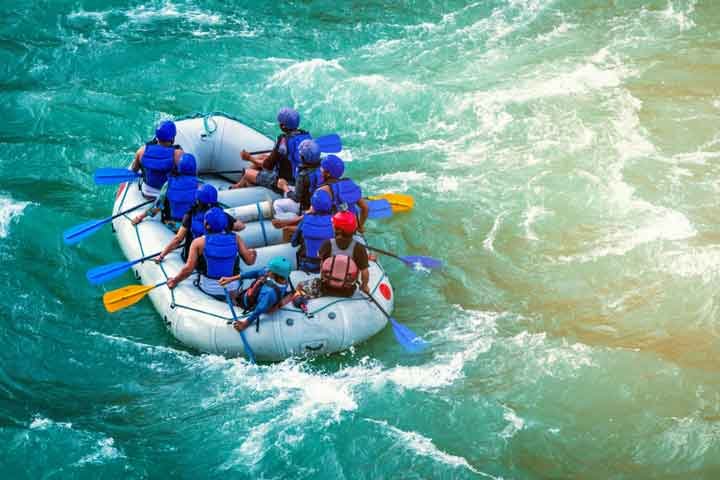
Remember that crisp morning in the Himalayas when I laced up my boots for a trek to Everest Base Camp? The air was thin, my legs burned, but crossing that final ridge revealed a view that shattered my everyday worries. Adventure tourism isn’t just about checking off bucket lists—it’s about those raw moments that reshape who you are. I’ve chased thrills from rafting wild rivers in Costa Rica to zip-lining through Costa Rican rainforests, and each one left me a little braver, a bit more connected to the world. If you’ve ever felt stuck in routine, this is your nudge to dive in; let’s explore how these experiences can truly transform lives.
What is Adventure Tourism?
Adventure tourism blends travel with excitement, pushing you into activities that demand physical effort, cultural dives, or nature immersion. It’s not lounging by a pool—think scaling peaks or paddling rapids that test your limits. As the Adventure Travel Trade Association notes, it often includes at least two elements: nature, culture, and activity. This niche has exploded, with the market projected to hit $4.6 trillion by 2032, drawing folks seeking more than selfies.
Defining the Thrill
At its core, adventure tourism involves perceived risk and skill-building, from soft hikes to hardcore expeditions. It’s that adrenaline rush mixed with self-discovery, where you might kayak fjords or safari through savannas. Unlike mass tourism, it fosters personal stories, like the time I got lost on a trail in Patagonia and found my inner navigator.
Evolution of Adventure Travel
Adventure tourism evolved from explorers like Shackleton to modern eco-tours in the late 20th century. Today, it’s more accessible, with operators offering guided thrills in remote spots. This shift emphasizes sustainability, turning risky jaunts into meaningful journeys that respect local environments and cultures.
The Transformative Power of Adventure Tourism
Diving into adventure tourism sparks changes you didn’t see coming—it’s like therapy with a side of scenery. Studies show it boosts well-being, resilience, and even happiness long after you unpack. I’ve seen friends return from trips as bolder versions of themselves, proving these experiences rewrite personal narratives.
Personal Growth Through Challenges
Facing challenges head-on in adventure settings builds character faster than any self-help book. Whether conquering a rock face or navigating foreign trails, you learn your strengths. One trek in Nepal taught me patience when weather delayed us—small wins like that accumulate into profound growth.
Building Resilience and Confidence
Adventure tourism hones resilience by throwing curveballs, like sudden storms or tough terrain. Overcoming them spikes confidence; I recall white-water rafting in Zambia, flipping the boat, and emerging laughing—it reframed failure as fun. Research backs this, linking such activities to better coping skills in daily life.
Fostering Cultural Connections
Immersing in local cultures during adventures creates bonds that linger. Sharing meals with Sherpas or learning crafts in Moroccan villages opens eyes to diverse worldviews. These interactions transform superficial trips into empathetic exchanges, enriching your global perspective.
Health Benefits of Adventure Tourism
Beyond the buzz, adventure tourism delivers tangible health perks, from sharper minds to stronger bodies. It’s nature’s gym, reducing stress while boosting endorphins—perfect for shaking off urban blues. As someone who’s swapped desk chairs for mountain paths, I can vouch for the glow it brings.
- Physical Fitness Boost: Activities like hiking or cycling build endurance and strength naturally.
- Mental Health Lift: Time outdoors combats anxiety, with studies showing lower cortisol levels.
- Emotional Well-Being: Achievements foster purpose, combating burnout with renewed vigor.
Real-Life Examples of Transformation
Stories abound of lives flipped by adventure tourism—take the executive who quit her job after a safari sparked passion for conservation. Or my buddy who battled depression until a solo backpacking trip in Iceland reignited his spark. These tales highlight how stepping out reshapes priorities and perspectives.
From Burnout to Breakthrough
One woman I met on a Galapagos cruise shared how snorkeling with sea lions healed her post-divorce blues—it was her “aha” moment of independence. Such breakthroughs are common, turning trips into catalysts for life changes.
Community and Connection Stories
A group trek in Peru bonded strangers into lifelong friends, teaching teamwork amid Incan ruins. These shared hardships forge connections deeper than casual chats, often leading to personal evolutions.
Top Adventure Tourism Activities
Adventure activities range from heart-pounding to soul-soothing, each offering unique transformation paths. Whether you’re a newbie or thrill-seeker, there’s something to push your boundaries. Here’s a rundown of favorites that have changed countless lives.
2
SMALL
- Hiking remote trails, like the Inca Trail to Machu Picchu.
- White-water rafting in rivers such as Costa Rica’s Pacuare.
- Skydiving over Dubai’s deserts for ultimate adrenaline.
3
SMALL
- Gorilla trekking in Rwanda’s volcanoes.
- Zip-lining through Costa Rican canopies.
4
SMALL
Best Destinations for Adventure Tourism in 2026
2026 promises fresh hotspots for adventure seekers, with easier access to wild wonders. From Antarctic cruises to Patagonian hikes, these spots blend thrill with transformation. Plan ahead—sustainable travel is key to preserving these gems.
5
LARGE
Antarctica: Ultimate Expedition
Cruise to Antarctica for penguin encounters and ice trekking—it’s raw nature that humbles and inspires. New lodges make it more accessible, fostering deep environmental awareness.
Patagonia, Chile: Rugged Wilderness
Hike Torres del Paine’s trails amid glaciers and lakes; it’s where I found solitude that sparked creativity. 2026 sees new eco-lodges enhancing the transformative vibe.
6
SMALL
Nepal: Himalayan Heights
Trek to Everest Base Camp for soul-stirring views and cultural immersion. It’s a resilience builder, with 2026 bringing better infrastructure for safer adventures.
7
SMALL
Pros and Cons of Adventure Tourism
Like any pursuit, adventure tourism has upsides and pitfalls—balancing thrill with responsibility is crucial. It can empower individuals but demands awareness of impacts. Weigh these before your next leap.
Pros: Life-Changing Gains
The benefits shine in personal development and health boosts, creating memorable bonds. Economically, it supports local communities through sustainable practices.
- Personal Empowerment: Builds confidence and resilience.
- Health Perks: Enhances physical and mental well-being.
- Cultural Enrichment: Deepens global understanding.
Cons: Potential Drawbacks
Risks include physical dangers and environmental strain if not managed well. Costs can add up, and overcrowding threatens pristine spots.
- Safety Concerns: Higher injury risk in extreme activities.
- Environmental Impact: Can degrade ecosystems without care.
- Financial Hurdles: Often pricier than standard travel.
Adventure Tourism vs. Traditional Tourism: A Comparison
Adventure tourism flips the script on cookie-cutter vacations, emphasizing immersion over relaxation. While traditional trips offer comfort, adventure ones deliver growth. See how they stack up.
| Aspect | Adventure Tourism | Traditional Tourism |
|---|---|---|
| Focus | Physical challenges and personal growth | Relaxation and sightseeing |
| Activities | Hiking, rafting, cultural dives | Beach lounging, city tours |
| Impact on Traveler | Transformative, builds resilience | Restorative, but less introspective |
| Environmental Footprint | Can be sustainable with eco-focus | Often higher due to mass crowds |
| Cost | Variable, often higher for gear/guides | Predictable, package deals |
This comparison shows adventure’s edge in fostering lasting change, though traditional has its chill appeal.
People Also Ask
Drawing from common queries on Google, here’s insight into adventure tourism’s nuances. These address what folks often wonder, blending facts with real talk.
What is adventure tourism?
Adventure tourism is travel involving risk, skills, and nature or culture engagement, like bungee jumping or safaris. It’s thrilling yet transformative, pushing boundaries for growth.
What are examples of adventure tourism?
Think skydiving in Dubai, trekking Nepal’s Himalayas, or rafting Costa Rica’s rivers—these activities mix adrenaline with discovery.
Why is adventure tourism important?
It boosts economies, promotes conservation, and enhances personal well-being, turning travelers into advocates for global issues.
What are the risks of adventure tourism?
Injuries from activities or environmental hazards loom, but proper guides mitigate them—always prioritize safety.
Where to Get Started with Adventure Tourism
For navigational vibes, head to operators like REI Adventures or local outfits in Nepal for guided treks. Websites like TripAdvisor list spots; book through trusted platforms for seamless starts. Internal link: Explore more destinations here.
Best Tools for Adventure Tourism
Gear up with essentials like durable backpacks from Osprey or multi-tools from Leatherman—transactional picks for safety. Apps like AllTrails guide paths; invest in quality for worry-free thrills. External link: Shop adventure gear.
FAQ
How does adventure tourism transform lives?
It fosters growth by challenging limits, building resilience, and sparking new perspectives through immersive experiences.
Is adventure tourism safe for beginners?
Yes, with guided tours and proper prep—start soft, like day hikes, to build confidence without overwhelming risks.
What are the environmental impacts?
Positive: Supports conservation; negative: Overuse can degrade sites—choose eco-friendly operators to minimize harm.
How to choose an adventure destination?
Consider fitness level, interests, and season—research via sites like Lonely Planet for tailored picks.
Can adventure tourism be budget-friendly?
Absolutely—opt for local guides, off-peak travel, or group trips to cut costs while maximizing transformation.
In wrapping up, adventure tourism isn’t just escapism—it’s a gateway to a fuller life. From that cliff-edge jump to quiet trail reflections, these journeys etch changes that endure. If you’re pondering your next move, grab those boots and go; the world awaits to reshape you.
Leave a Reply