Blog

  • What Is Sustainable Travel? A Comprehensive Guide to Eco-Friendly Adventures

    What Is Sustainable Travel? A Comprehensive Guide to Eco-Friendly Adventures

    Imagine standing on a misty trail in Costa Rica’s Monteverde Cloud Forest, the air thick with the scent of orchids and fresh rain. Birds call overhead as you hike, knowing your footsteps support local guides whose families have protected this biodiversity hotspot for generations. That was my first real brush with sustainable travel back in 2018, and it changed how I see vacations forever. No more guilt over plastic waste or crowded beaches—I felt connected, not just a passerby. Sustainable travel isn’t some buzzword for tree-huggers; it’s about exploring the world in ways that leave it better for everyone. At its heart, it means minimizing harm to the environment, boosting local economies, and respecting cultures while creating meaningful experiences. Whether you’re a weekend warrior or a full-time nomad, this approach turns trips into forces for good.

    But let’s back up. I once jetted off to Bali on a whim, lured by Instagram-perfect swings over rice terraces. What I found was overtourism at its worst—trashed beaches and locals priced out of their own homes. It hit me hard: travel can heal or hurt. That’s why understanding sustainable travel matters. It’s not about perfection; it’s about mindful choices that add up. From reducing carbon footprints to supporting community-led tours, this guide dives deep into what it really means and how you can make it your reality.

    The Basics of Sustainable Travel

    Sustainable travel boils down to balancing adventure with responsibility. It’s traveling in a way that protects natural spots, uplifts communities, and keeps economies thriving without exploitation. Think of it as leaving only footprints—and maybe a few dollars in local hands.

    Defining Sustainable Travel

    According to the World Tourism Organization, sustainable tourism addresses current and future impacts while meeting the needs of visitors, industries, environments, and hosts. It’s broader than just “green” trips; it weaves in social and economic threads too.

    How It Differs from Ecotourism

    Ecotourism focuses on nature-based experiences that educate and conserve, like wildlife safaris in protected areas. Sustainable travel applies those principles everywhere—from cities to coasts—making it more versatile for everyday explorers.

    The Three Pillars: Environment, Society, Economy

    These form the foundation: protect the planet, respect people, and ensure fair financial flows. Without one, the others crumble, like a stool missing a leg.

    Why Sustainable Travel Is Crucial Today

    In a world heating up faster than my morning coffee, sustainable travel isn’t optional—it’s essential. It combats climate change by cutting emissions and preserves the very places we love to visit. Plus, it creates jobs that last beyond tourist seasons.

    The Environmental Impact of Traditional Tourism

    Mass tourism devours resources: think 300-850 liters of water per tourist daily in some spots. Sustainable practices flip the script, turning waste into conservation wins.

    Social Benefits for Local Communities

    When done right, it empowers locals, like in Bhutan where tourism fees fund healthcare and education. It’s about sharing stories, not just snapping selfies.

    Economic Advantages in the Long Run

    Sustainable models generate steady income—up to 92% of sea-related economic value in the Mediterranean comes from tourism done thoughtfully. It beats boom-and-bust cycles hands down.

    How to Start Your Sustainable Travel Journey

    Getting started feels overwhelming, like packing for a month-long trek. But small shifts make big waves. Begin with planning tools and mindset tweaks for trips that feel good inside and out.

    Choosing Eco-Friendly Transportation

    Opt for trains over planes where possible—in Europe, rail emits up to 10 times less CO2. I once took a sleeper train across Vietnam; slower, sure, but the views and connections were priceless.

    Public Transit and Biking Options

    Cities like Copenhagen shine with bike shares. It’s healthier, cheaper, and lets you discover hidden gems off the tourist track.

    Offsetting Carbon Emissions

    Use apps like Atmosfair to calculate and offset flights. It’s not perfect, but it’s a step toward neutrality.

    Selecting Sustainable Accommodations

    Look for certifications like GSTC or EarthCheck. Eco-lodges with solar power and rainwater harvesting are game-changers.

    Green Hotels vs. Homestays

    Hotels might have fancy green tech, but homestays immerse you in local life. I stayed with a family in Peru—learned to weave and ate home-cooked quinoa.

    What to Look for in Certifications

    Seek out labels ensuring minimal waste and fair wages. Avoid greenwashing by checking reviews on sites like TripAdvisor.

    Packing Responsibly for Your Trip

    Pack light to cut fuel use, and bring reusables. My go-to? A collapsible water bottle that’s saved countless plastics from oceans.

    • Reusable bags, utensils, and coffee cups.
    • Biodegradable toiletries to avoid chemical runoff.
    • Versatile clothing to wash and rewear.
    • Solar charger for off-grid power.

    Everyday Practices for Sustainable Travelers

    Once on the road, habits count. It’s like dieting—consistency over perfection. Focus on waste reduction and cultural respect for authentic vibes.

    Reducing Waste on the Go

    Say no to single-use plastics. In Thailand, I carried a bamboo straw; vendors smiled, knowing it helped their beaches stay clean.

    Zero-Waste Eating Tips

    Eat local and seasonal—farmers’ markets are goldmines. Skip buffets to avoid food waste; portion control is key.

    Managing Plastic Use

    Refill stations are everywhere now. Apps like RefillMyBottle guide you to free water spots worldwide.

    Supporting Local Economies

    Buy from artisans, not chains. In Morocco’s souks, haggling for handmade rugs directly funds families, not corporations.

    • Choose community-owned tours.
    • Dine at family-run eateries.
    • Tip generously but fairly.
    • Volunteer if time allows, like beach cleanups.

    Respecting Cultures and Wildlife

    Learn basic phrases and customs. Don’t touch wildlife—my close call with a curious monkey in India taught me boundaries matter.

    Ethical Animal Encounters

    Avoid rides or shows; opt for sanctuaries like Elephant Nature Park in Thailand. Observation over interaction preserves behaviors.

    Cultural Sensitivity Guidelines

    Dress modestly in sacred sites. Ask before photographing people—it’s polite and builds bridges.

    Top Sustainable Destinations to Inspire You

    From lush jungles to arctic wonders, these spots lead by example. They’re proof sustainable travel can be thrilling, not restrictive.

    Picture yourself hiking through dense rainforests, sunlight filtering through the canopy.

    Places like these show how tourism can protect rather than plunder.

    Costa Rica: Biodiversity Paradise

    This Central American gem pioneered ecotourism, with 25% of land protected. Zip-line through clouds or surf eco-beaches.

    Bhutan: Happiness Over Growth

    Entry fees fund conservation; it’s carbon-negative thanks to forests absorbing emissions. Hike to Tiger’s Nest for soul-stirring views.

    New Zealand: Adventure with Care

    Kiwi initiatives like Tiaki Promise encourage guardianship. Explore fjords by kayak, leaving no trace.

    Scandinavia: Urban Green Living

    Norway’s electric ferries and Sweden’s farm-to-table ethos make cities sustainable playgrounds.

    Here’s a quick comparison table of these destinations:

    DestinationKey Sustainable FeatureBest ActivityCarbon Footprint Tip
    Costa RicaNational parks networkWildlife spottingFly direct, offset emissions
    BhutanGross National Happiness indexMonastery treksLimit internal flights
    New Zealand100% Pure campaignHiking trailsRent electric vehicles
    ScandinaviaRenewable energy focusCycling toursUse public transport

    Challenges in Adopting Sustainable Travel

    It’s not all smooth sailing—barriers exist, but so do solutions. Like that time I missed a flight connection for a train; frustrating, but worth it.

    High Costs of Eco-Options

    Green hotels can cost more upfront, but savings come from local eats and free activities like hiking.

    Budget-Friendly Alternatives

    Hostels with eco-policies or camping cut expenses. Apps like Goodwings find affordable sustainable flights.

    Long-Term Savings

    Investing in reusables pays off over multiple trips. Plus, healthier choices mean fewer doctor visits!

    Accessibility Issues

    Not every spot has green infrastructure. Rural areas might lack trains, forcing drives.

    Pros of Sustainable Travel:

    • Deeper connections with places.
    • Healthier planet for kids.
    • Unique, off-beat experiences.

    Cons:

    • Sometimes pricier or slower.
    • Requires more planning.
    • Limited options in some regions.

    Overcoming Greenwashing

    Look beyond labels—read reviews and check third-party verifications like GSTC. Trust your gut if claims seem too good.

    Sustainable Travel vs. Traditional Tourism: A Comparison

    Ever wondered how they stack up? Let’s break it down.

    Traditional tourism often prioritizes volume over value, leading to erosion and cultural dilution. Sustainable flips that for longevity.

    Environmental Footprint

    Traditional: High emissions from flights and waste. Sustainable: Low-impact transport and zero-waste goals.

    Community Impact

    Traditional: Exploits locals with low wages. Sustainable: Empowers through fair trade.

    Traveler Experience

    Traditional: Crowded, superficial. Sustainable: Authentic, memorable—like cooking classes with villagers.

    Comparison Section:

    • Cost: Traditional cheaper short-term; sustainable saves long-term via efficiency.
    • Flexibility: Traditional easier to book; sustainable rewards planners.
    • Fulfillment: Traditional fun but fleeting; sustainable leaves you inspired.

    People Also Ask

    Drawing from common queries on sustainable travel, here are real questions folks search on Google, with straightforward answers.

    What Are the 3 Pillars of Sustainable Tourism?

    Environment, society, and economy—protecting nature, respecting cultures, and ensuring fair profits.

    What Is an Example of Sustainable Tourism?

    Costa Rica’s national parks, where fees fund conservation and local jobs.

    Why Is Sustainable Travel Important?

    It fights climate change, preserves cultures, and creates ethical jobs amid rising tourism demands.

    How Can I Travel Sustainably on a Budget?

    Use public transport, stay in hostels, eat street food—simple swaps add up without breaking the bank.

    What Are the Benefits of Sustainable Travel?

    Better health from active trips, cultural insights, and knowing you’re part of positive change.

    Best Tools and Resources for Sustainable Travelers

    Ready to book? These help navigate eco-options effortlessly.

    Apps like TripIt track carbon footprints, while platforms like Ecobnb list green stays. For gear, check Patagonia for durable, ethical outdoor wear.

    • Where to Get Certifications Info: Visit GSTC.org for verified spots.
    • Best Tools: Google Flights for low-emission routes; Refill app for water stations.
    • Navigational Aids: AllTrails for eco-hikes; Rome2Rio for green transport comparisons.

    Internal link: Check our guide on eco-friendly packing essentials for more tips.

    External link: Explore UNWTO’s resources at unwto.org.

    FAQ

    How Does Sustainable Travel Reduce Carbon Emissions?

    By favoring trains, bikes, or electric vehicles over flights, and offsetting unavoidable ones through reforestation programs.

    What Are Some Common Mistakes in Sustainable Travel?

    Falling for greenwashing, like hotels claiming eco-status without proof, or ignoring cultural norms which can offend locals.

    Can Sustainable Travel Be Luxurious?

    Absolutely—think glamping in solar-powered tents or yacht charters with marine conservation focus. Luxury brands like Six Senses lead the way.

    How Do I Measure My Trip’s Sustainability?

    Use calculators from sites like MyClimate.org to track emissions, waste, and community spend.

    Is Sustainable Travel Possible for Families?

    Yes! Kid-friendly eco-resorts offer educational fun, like wildlife spotting or farm stays, teaching values early.

    In wrapping up, remember my Costa Rica epiphany? Sustainable travel isn’t sacrifice; it’s enrichment. It turns vacations into legacies. Start small—your next trip could spark change. The world awaits, ready to be explored kindly. Safe journeys!
  • Pakistan Adventure Tours & Activities: Your Ultimate Guide to Thrilling Escapes

    Pakistan Adventure Tours & Activities: Your Ultimate Guide to Thrilling Escapes

    Imagine standing at the edge of a glacier, the crisp mountain air biting at your cheeks, while the world’s second-highest peak, K2, looms like a silent guardian in the distance. That’s the kind of raw, heart-pounding magic Pakistan delivers to adventure seekers. This isn’t just a destination—it’s a playground for those craving unfiltered thrills amid stunning landscapes and warm hospitality. From trekking ancient trails to rafting wild rivers, Pakistan’s adventure scene has exploded in recent years, drawing intrepid travelers who swap crowded tourist spots for authentic, off-the-grid experiences. Whether you’re a solo hiker or part of a group tour, this guide dives deep into the best tours and activities, blending practical advice with stories that’ll make you book your flight tomorrow.

    Discovering Pakistan’s Adventure Landscape

    Pakistan’s terrain is a dream for adventurers, boasting three major mountain ranges—the Himalayas, Hindu Kush, and Karakoram—that cradle some of the planet’s most dramatic scenery. Think turquoise lakes, towering peaks over 8,000 meters, and valleys echoing with centuries-old folklore. What sets it apart? The blend of natural wonders with cultural depth, where a day’s hike might end with tea in a local village. It’s no wonder tourism here has surged, with over 11,000 foreign visitors hitting the northern regions last year alone, seeking that elusive mix of adrenaline and serenity.

    The Northern Wonders: Gilgit-Baltistan and Khyber Pakhtunkhwa

    Up north, Gilgit-Baltistan feels like stepping into a fantasy novel, with snow-capped giants and emerald valleys. This is prime territory for high-altitude treks and cultural immersions. Khyber Pakhtunkhwa adds lush forests and roaring rivers, perfect for those who prefer their adventures with a side of history. It’s where I once got lost in the mist near Fairy Meadows—more on that later—but emerged with stories that still give me chills.

    Southern Thrills: From Deserts to Coasts

    Don’t overlook the south; Balochistan’s deserts offer camel safaris under starlit skies, while Sindh’s coastal areas buzz with water sports. It’s less crowded than the north, giving a raw, untamed vibe. Picture dune bashing in the Thar Desert, where the silence is broken only by the wind— a stark contrast to the bustling northern trails.

    Top Adventure Activities in Pakistan

    Pakistan packs a punch with activities that cater to every thrill level, from gentle jeep rides to extreme climbs. The key? Pairing them with guided tours for safety and insider knowledge. Here’s a rundown of the must-dos, each promising that “wow” moment.

    Trekking Through Epic Trails

    Trekking reigns supreme here, with paths like the K2 Base Camp drawing hardcore hikers for its glacier views and high passes. Routes vary from moderate valley strolls to multi-week epics crossing the Gondogoro La. Expect breathtaking panoramas, but pack for altitude—I’ve seen pros turn back from unexpected weather shifts.

    Mountaineering and Peak Conquests

    For climbers, Pakistan is heaven with five 8,000-meter peaks, including K2 and Nanga Parbat. Expeditions like those to Laila Peak (6,096m) blend challenge with beauty, often starting from remote villages like Hushe. It’s not for novices—think ice walls and ridges—but the summit rush is unmatched. One climber I met described it as “dancing with danger under golden sunsets.”

    White-Water Rafting and Kayaking

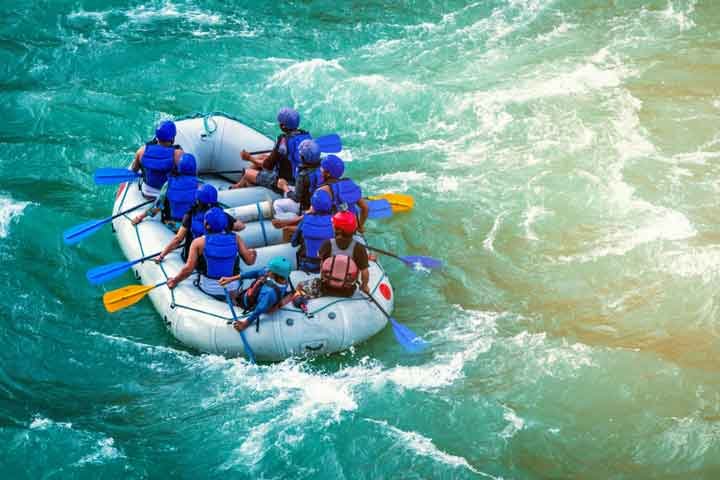
    Rivers like the Indus and Swat offer grade III-V rapids for rafting thrills, especially in summer when melts create wild waves. Kayaking spots in Hunza provide calmer paddles with mountain backdrops. It’s exhilarating yet accessible; my first raft flip left me laughing, soaked, and hooked—pro tip: grip that paddle like your life depends on it.

    Paragliding Over Valleys

    Soar above Hunza or Haripur for bird’s-eye views of terraced fields and peaks. Tandem flights make it beginner-friendly, lasting 15-30 minutes. The wind rushing past, valleys unfolding below—it’s pure freedom. I tried it once and felt like a kid again, minus the scraped knees.

    Jeep Safaris and Off-Road Adventures

    Bounce along the Karakoram Highway, dubbed the “Eighth Wonder,” for jeep safaris hitting high passes and lakes. Routes from Islamabad to Khunjerab Pass mix scenery with cultural stops. It’s less strenuous but no less thrilling—especially when roads hug cliffs that make your stomach drop.

    Skiing and Winter Sports

    Come winter, spots like Malam Jabba in Swat turn into ski havens with fresh powder and modern lifts. It’s underrated compared to Alps, but affordable and scenic. Bundle up for sub-zero fun; one snowy wipeout taught me humility—and the joy of hot chai afterward.

    • Bullet Points for Quick Picks:
    • Trekking: Ideal for nature lovers; start with Fairy Meadows for moderate vibes.
    • Rafting: Group fun; book in summer for peak rapids.
    • Paragliding: Short bursts of adrenaline; great for photos.
    • Jeep Safaris: Family-friendly; covers more ground.

    Best Adventure Tours to Book

    Choosing the right tour turns a good trip into legendary. Based on top operators, here’s a curated list—focus on licensed ones for safety. Prices range from $1,000-$5,000 for 10-15 days, covering guides, meals, and permits.

    Tour NameOperatorDurationHighlightsCost (USD)Best For
    K2 Base Camp TrekSkardu Expedition20 daysConcordia views, glaciers, high passes$2,500Experienced trekkers
    Hunza Valley ExplorerG Adventures15 daysCultural sites, lakes, jeep rides$1,800Beginners & families
    Nangma Valley TrekIntrepid Travel10 daysRock climbing, remote valleys$1,200Adventure mix
    Karakoram Highway SafariTourRadar12 daysHigh passes, local eats$1,500Road trippers
    Laila Peak ExpeditionApricot Tours28 daysSummit climb, Hushe start$4,000Mountaineers

    Comparing Group vs. Private Tours

    Group tours shine for camaraderie and cost-sharing—think shared laughs over campfires—but can feel rigid. Private ones offer flexibility, like custom pacing, at 20-50% more cost. Pros of groups: Built-in friends, expert-led. Cons: Less personalization. For solos, groups add safety; couples might prefer private for romance.

    Pros and Cons of Seasonal Adventures

    Summer (June-August) pros: Ideal trekking weather, open passes. Cons: Crowds in popular spots. Winter pros: Skiing solitude, festive vibes. Cons: Road closures, cold snaps. Spring/Fall balance both—fewer people, vibrant colors, but pack layers for surprises.

    Safety Tips for Adventure Seekers

    Pakistan’s adventures are safe with prep, but respect the wild elements. Always check advisories—northern areas are generally secure, but borders need caution. Hire local guides; they’re lifesavers in remote spots. My tip? Trust instincts—if a trail feels off, turn back.

    • Essential Safety Bullets:
    • Get travel insurance covering evacuations—rescues start at $15,000.
    • Acclimatize to altitude; headaches hit hard above 3,000m.
    • Pack essentials: Water purifiers, first-aid, layers for weather swings.
    • Avoid solo hikes in restricted zones; inform locals of plans.
    • Respect culture: Modest dress, ask before photos.

    Stay hydrated, watch for ticks post-hikes, and never drink untreated water. For women, group tours add comfort—I’ve heard empowering stories from solo female travelers bonding with locals.

    People Also Ask

    Drawing from common queries on Google, here’s straight answers optimized for quick reads.

    Is Pakistan Safe for Adventure Tours?

    Yes, especially in northern tourist areas like Hunza and Skardu, where security has improved dramatically. Stick to guided tours, avoid borders, and follow advisories—millions visit safely yearly.

    What’s the Best Time for Adventure Activities in Pakistan?

    Summer (June-August) for trekking and rafting; winter (December-February) for skiing. Shoulder seasons offer fewer crowds and milder weather—plan around monsoons in July.

    How Much Do Adventure Tours Cost?

    Budget $1,000-$2,000 for 10-day group tours; expeditions hit $4,000+. Includes guides, but add flights and tips—affordable compared to similar spots like Nepal.

    What Are the Top Adventure Spots?

    Hunza for valleys, Skardu for peaks, Swat for rivers. Each offers unique thrills—Hunza’s my fave for its apricot blooms and friendly vibes.

    Do I Need a Visa for Pakistan Adventures?

    Most need an e-visa; apply online with tour invites. It’s straightforward—process takes days, valid 90 days.

    Planning Your Trip: Where to Get Started

    Start with reputable operators like Apricot Tours for local expertise or G Adventures for international standards—book via their sites or TourRadar for deals. Internal links: Check our Pakistan Trekking Guide or Safety Essentials. Fly into Islamabad, then domestic to Skardu—budget $100-200 roundtrip.

    For transactional ease, top tools include the Pakistan Traveller e-book for maps, or apps like Zong for local SIMs. Compare via sites like The Broke Backpacker for budget picks.

    Personal Stories from the Trails

    I’ll never forget my trek to Fairy Meadows—jeep rattling up a death-defying road, then hiking through pine forests to a meadow straight out of a postcard, Nanga Parbat glowing at sunset. Met a local shepherd who shared stories of ancient migrations over milky tea; it humanized the grandeur. Another time, rafting the Indus, our boat flipped—hilarious chaos, but the team’s quick rescue turned fear into friendship. These moments? They remind me why Pakistan steals hearts: It’s not just views, it’s connections that linger.

    Humor hit when I slipped on ice near Concordia—landed butt-first, laughing with porters who joked I’d “kissed the glacier.” Emotionally, watching sunrise over Hunza’s orchards stirred a deep peace, like the mountains whispered secrets. Real travelers echo this: One X post raved about Shogran’s snowfall turning a family trip magical, while another shared K2’s humbling scale.

    FAQ

    How Do I Choose the Right Adventure Tour Operator?

    Look for licensed ones with reviews on TripAdvisor or TourRadar. Prioritize those affiliated with PATO for ethical practices—read testimonials for real insights.

    What Gear Should I Pack for Pakistan Adventures?

    Essentials: Sturdy boots, thermal layers, sunscreen, and a power bank. For treks, add trekking poles; rafting needs quick-dry clothes. Don’t forget meds for altitude.

    Are There Women-Only Adventure Tours?

    Yes, operators like Intentional Detours offer female-led groups for safety and empowerment—perfect for solo travelers seeking sisterhood amid the peaks.

    Can Beginners Join High-Altitude Treks?

    Absolutely, with guided tours like Hunza’s easy walks. Build stamina first; operators assess fitness—start small to avoid altitude woes.

    What’s the Environmental Impact of These Tours?

    Sustainable operators minimize it via eco-camps and no-trace policies. Choose those supporting locals—your trip can aid conservation in fragile areas.

    Pakistan’s adventures aren’t just trips—they’re transformations. From the thrill of conquering a pass to the quiet joy of a valley sunset, it’s a land that rewards the bold. Ready to dive in? Your epic story awaits.

  • Adventure Tourism and Its Ways of Transforming Lives

    Adventure Tourism and Its Ways of Transforming Lives

    Remember that crisp morning in the Himalayas when I laced up my boots for a trek to Everest Base Camp? The air was thin, my legs burned, but crossing that final ridge revealed a view that shattered my everyday worries. Adventure tourism isn’t just about checking off bucket lists—it’s about those raw moments that reshape who you are. I’ve chased thrills from rafting wild rivers in Costa Rica to zip-lining through Costa Rican rainforests, and each one left me a little braver, a bit more connected to the world. If you’ve ever felt stuck in routine, this is your nudge to dive in; let’s explore how these experiences can truly transform lives.

    What is Adventure Tourism?

    Adventure tourism blends travel with excitement, pushing you into activities that demand physical effort, cultural dives, or nature immersion. It’s not lounging by a pool—think scaling peaks or paddling rapids that test your limits. As the Adventure Travel Trade Association notes, it often includes at least two elements: nature, culture, and activity. This niche has exploded, with the market projected to hit $4.6 trillion by 2032, drawing folks seeking more than selfies.

    Defining the Thrill

    At its core, adventure tourism involves perceived risk and skill-building, from soft hikes to hardcore expeditions. It’s that adrenaline rush mixed with self-discovery, where you might kayak fjords or safari through savannas. Unlike mass tourism, it fosters personal stories, like the time I got lost on a trail in Patagonia and found my inner navigator.

    Evolution of Adventure Travel

    Adventure tourism evolved from explorers like Shackleton to modern eco-tours in the late 20th century. Today, it’s more accessible, with operators offering guided thrills in remote spots. This shift emphasizes sustainability, turning risky jaunts into meaningful journeys that respect local environments and cultures.

    The Transformative Power of Adventure Tourism

    Diving into adventure tourism sparks changes you didn’t see coming—it’s like therapy with a side of scenery. Studies show it boosts well-being, resilience, and even happiness long after you unpack. I’ve seen friends return from trips as bolder versions of themselves, proving these experiences rewrite personal narratives.

    Personal Growth Through Challenges

    Facing challenges head-on in adventure settings builds character faster than any self-help book. Whether conquering a rock face or navigating foreign trails, you learn your strengths. One trek in Nepal taught me patience when weather delayed us—small wins like that accumulate into profound growth.

    Building Resilience and Confidence

    Adventure tourism hones resilience by throwing curveballs, like sudden storms or tough terrain. Overcoming them spikes confidence; I recall white-water rafting in Zambia, flipping the boat, and emerging laughing—it reframed failure as fun. Research backs this, linking such activities to better coping skills in daily life.

    Fostering Cultural Connections

    Immersing in local cultures during adventures creates bonds that linger. Sharing meals with Sherpas or learning crafts in Moroccan villages opens eyes to diverse worldviews. These interactions transform superficial trips into empathetic exchanges, enriching your global perspective.

    Health Benefits of Adventure Tourism

    Beyond the buzz, adventure tourism delivers tangible health perks, from sharper minds to stronger bodies. It’s nature’s gym, reducing stress while boosting endorphins—perfect for shaking off urban blues. As someone who’s swapped desk chairs for mountain paths, I can vouch for the glow it brings.

    • Physical Fitness Boost: Activities like hiking or cycling build endurance and strength naturally.
    • Mental Health Lift: Time outdoors combats anxiety, with studies showing lower cortisol levels.
    • Emotional Well-Being: Achievements foster purpose, combating burnout with renewed vigor.

    Real-Life Examples of Transformation

    Stories abound of lives flipped by adventure tourism—take the executive who quit her job after a safari sparked passion for conservation. Or my buddy who battled depression until a solo backpacking trip in Iceland reignited his spark. These tales highlight how stepping out reshapes priorities and perspectives.

    From Burnout to Breakthrough

    One woman I met on a Galapagos cruise shared how snorkeling with sea lions healed her post-divorce blues—it was her “aha” moment of independence. Such breakthroughs are common, turning trips into catalysts for life changes.

    Community and Connection Stories

    A group trek in Peru bonded strangers into lifelong friends, teaching teamwork amid Incan ruins. These shared hardships forge connections deeper than casual chats, often leading to personal evolutions.

    Top Adventure Tourism Activities

    Adventure activities range from heart-pounding to soul-soothing, each offering unique transformation paths. Whether you’re a newbie or thrill-seeker, there’s something to push your boundaries. Here’s a rundown of favorites that have changed countless lives.

    2
    SMALL

    • Hiking remote trails, like the Inca Trail to Machu Picchu.
    • White-water rafting in rivers such as Costa Rica’s Pacuare.
    • Skydiving over Dubai’s deserts for ultimate adrenaline.

    3
    SMALL

    • Gorilla trekking in Rwanda’s volcanoes.
    • Zip-lining through Costa Rican canopies.

    4
    SMALL

    Best Destinations for Adventure Tourism in 2026

    2026 promises fresh hotspots for adventure seekers, with easier access to wild wonders. From Antarctic cruises to Patagonian hikes, these spots blend thrill with transformation. Plan ahead—sustainable travel is key to preserving these gems.

    5
    LARGE

    Antarctica: Ultimate Expedition

    Cruise to Antarctica for penguin encounters and ice trekking—it’s raw nature that humbles and inspires. New lodges make it more accessible, fostering deep environmental awareness.

    Patagonia, Chile: Rugged Wilderness

    Hike Torres del Paine’s trails amid glaciers and lakes; it’s where I found solitude that sparked creativity. 2026 sees new eco-lodges enhancing the transformative vibe.

    6
    SMALL

    Nepal: Himalayan Heights

    Trek to Everest Base Camp for soul-stirring views and cultural immersion. It’s a resilience builder, with 2026 bringing better infrastructure for safer adventures.

    7
    SMALL

    Pros and Cons of Adventure Tourism

    Like any pursuit, adventure tourism has upsides and pitfalls—balancing thrill with responsibility is crucial. It can empower individuals but demands awareness of impacts. Weigh these before your next leap.

    Pros: Life-Changing Gains

    The benefits shine in personal development and health boosts, creating memorable bonds. Economically, it supports local communities through sustainable practices.

    • Personal Empowerment: Builds confidence and resilience.
    • Health Perks: Enhances physical and mental well-being.
    • Cultural Enrichment: Deepens global understanding.

    Cons: Potential Drawbacks

    Risks include physical dangers and environmental strain if not managed well. Costs can add up, and overcrowding threatens pristine spots.

    • Safety Concerns: Higher injury risk in extreme activities.
    • Environmental Impact: Can degrade ecosystems without care.
    • Financial Hurdles: Often pricier than standard travel.

    Adventure Tourism vs. Traditional Tourism: A Comparison

    Adventure tourism flips the script on cookie-cutter vacations, emphasizing immersion over relaxation. While traditional trips offer comfort, adventure ones deliver growth. See how they stack up.

    AspectAdventure TourismTraditional Tourism
    FocusPhysical challenges and personal growthRelaxation and sightseeing
    ActivitiesHiking, rafting, cultural divesBeach lounging, city tours
    Impact on TravelerTransformative, builds resilienceRestorative, but less introspective
    Environmental FootprintCan be sustainable with eco-focusOften higher due to mass crowds
    CostVariable, often higher for gear/guidesPredictable, package deals

    This comparison shows adventure’s edge in fostering lasting change, though traditional has its chill appeal.

    People Also Ask

    Drawing from common queries on Google, here’s insight into adventure tourism’s nuances. These address what folks often wonder, blending facts with real talk.

    What is adventure tourism?

    Adventure tourism is travel involving risk, skills, and nature or culture engagement, like bungee jumping or safaris. It’s thrilling yet transformative, pushing boundaries for growth.

    What are examples of adventure tourism?

    Think skydiving in Dubai, trekking Nepal’s Himalayas, or rafting Costa Rica’s rivers—these activities mix adrenaline with discovery.

    Why is adventure tourism important?

    It boosts economies, promotes conservation, and enhances personal well-being, turning travelers into advocates for global issues.

    What are the risks of adventure tourism?

    Injuries from activities or environmental hazards loom, but proper guides mitigate them—always prioritize safety.

    Where to Get Started with Adventure Tourism

    For navigational vibes, head to operators like REI Adventures or local outfits in Nepal for guided treks. Websites like TripAdvisor list spots; book through trusted platforms for seamless starts. Internal link: Explore more destinations here.

    Best Tools for Adventure Tourism

    Gear up with essentials like durable backpacks from Osprey or multi-tools from Leatherman—transactional picks for safety. Apps like AllTrails guide paths; invest in quality for worry-free thrills. External link: Shop adventure gear.

    FAQ

    How does adventure tourism transform lives?

    It fosters growth by challenging limits, building resilience, and sparking new perspectives through immersive experiences.

    Is adventure tourism safe for beginners?

    Yes, with guided tours and proper prep—start soft, like day hikes, to build confidence without overwhelming risks.

    What are the environmental impacts?

    Positive: Supports conservation; negative: Overuse can degrade sites—choose eco-friendly operators to minimize harm.

    How to choose an adventure destination?

    Consider fitness level, interests, and season—research via sites like Lonely Planet for tailored picks.

    Can adventure tourism be budget-friendly?

    Absolutely—opt for local guides, off-peak travel, or group trips to cut costs while maximizing transformation.

    In wrapping up, adventure tourism isn’t just escapism—it’s a gateway to a fuller life. From that cliff-edge jump to quiet trail reflections, these journeys etch changes that endure. If you’re pondering your next move, grab those boots and go; the world awaits to reshape you.

  • Sustainable Travel Statistics: 6 Facts to Open Your Mind

    Sustainable Travel Statistics: 6 Facts to Open Your Mind

    Remember that time I backpacked through Southeast Asia, thinking I was just chasing sunsets and street food? Halfway through, in a tiny village in Laos, I watched locals struggle with plastic waste from tourists like me. It hit hard—my “adventure” was leaving a mark I hadn’t intended. That’s when sustainable travel clicked for me. It’s not about giving up the thrill; it’s about making sure our wanderlust doesn’t wreck the places we love. Today, with travel booming again, these six eye-opening facts show how the industry is shifting toward greener paths. Let’s dive in and see why this matters more than ever.

    What is Sustainable Travel?

    Sustainable travel means journeying in ways that protect the environment, support local communities, and preserve cultural heritage for future generations. It’s about choosing eco-friendly accommodations, minimizing waste, and respecting wildlife—turning trips into positive forces rather than burdens. Think low-impact activities like hiking with local guides instead of crowded tours that harm ecosystems.

    This approach isn’t new, but it’s gaining traction as travelers wake up to their footprint. From carbon-offset flights to community-based homestays, it’s a mindset that balances fun with responsibility. And the stats? They’re telling a story of real change.

    Fact 1: 84% of Global Travelers Now Prioritize Sustainability

    Picture this: you’re scrolling through booking sites, and suddenly, green certifications catch your eye. That’s no accident. In 2025, a whopping 84% of travelers worldwide said sustainable travel is important to them, up from previous years as climate awareness spikes. It’s like the world collectively decided vacations shouldn’t cost the Earth—literally.

    This shift stems from growing concerns over overtourism and environmental damage. I remember ditching a chain hotel in Costa Rica for an eco-lodge run by locals; it felt authentic and guilt-free. More folks are doing the same, pushing destinations to adapt.

    Why This Percentage is a Game-Changer

    When nearly nine out of ten people care, industries listen. Hotels are installing solar panels, and airlines are testing biofuels. But it’s not just talk—53% of travelers now consider tourism’s impact on communities, leading to more mindful choices like supporting fair-trade souvenirs.

    This trend empowers smaller operators too. In places like Bhutan, where high-value, low-impact tourism reigns, visitor fees fund conservation. It’s proof that our preferences can drive systemic change.

    Fact 2: Tourism Accounts for 8% of Global Carbon Emissions

    Here’s a sobering one: the tourism sector pumps out about 8% of the world’s greenhouse gases, more than construction or agriculture in some estimates. Flights alone make up the bulk, but add in cruises, cars, and hotels, and it’s a hefty bill for the planet. Imagine every beach selfie contributing to rising seas—ironic, right?

    Yet, there’s hope in the details. Between 2005 and 2016, transport-related tourism emissions rose over 60%, but recent pushes for efficiency are curbing that. On a trip to Europe last year, I opted for trains over planes; not only did I cut my emissions by half, but the views were unbeatable.

    Breaking Down the Emissions Puzzle

    Aviation leads at around 40% of tourism’s CO2, followed by ground transport and accommodations. Simple swaps—like staying in energy-efficient spots or using public transit—can slash this. Projections warn emissions could hit 6.5 billion metric tons by 2025 without action, urging us all to rethink how we roam.

    Communities feel this firsthand. In island nations like the Maldives, tourism drives the economy but accelerates climate threats. Balancing growth with green tech is key to keeping paradise intact.

    Fact 3: The Sustainable Tourism Market is Booming to $11.53 Trillion by 2033

    Forget niche—sustainable tourism is a powerhouse, valued at $3.23 trillion in 2024 and set to skyrocket to $11.53 trillion by 2033, growing at 15.2% annually. That’s like the industry betting big on green, from eco-resorts to regenerative experiences that give back.

    This surge reflects demand for meaningful trips. During a volunteer stint in Kenya, I helped plant mangroves; it was rewarding and part of a market that’s exploding. Investors see the potential, pouring funds into sustainable startups.

    Market Growth Comparison: Traditional vs. Sustainable Tourism

    AspectTraditional TourismSustainable Tourism
    Projected Value by 2033~$10T (slower growth)$11.53T
    Annual Growth Rate5-7%15.2%
    Key DriversMass appeal, low costsEco-conscious consumers, regulations
    Environmental ImpactHigh emissions, wasteLow impact, conservation focus

    This table shows sustainable options outpacing old-school travel. Pros include job creation in rural areas; cons might be higher upfront costs, but long-term savings on resources make it worthwhile.

    Fact 4: 1.52 Billion International Arrivals in 2025, With Sustainability in Tow

    Travel rebounded spectacularly, hitting 1.52 billion international arrivals in 2025—a 4% jump from 2024 and a new record. Amid this, 69% of travelers want to leave destinations better than they found them, blending volume with virtue.

    It’s a double-edged sword: more visitors mean economic boosts, but also strain. In Iceland, where I hiked glaciers, geotags led to overcrowding—now, fees fund preservation. This stat highlights the need for managed growth.

    Regional Hotspots and Their Green Adaptations

    Africa led with strong performance, while Asia recovered steadily. Places like Jamaica are innovating with post-disaster funds for resilient tourism. Pros: Cultural exchanges flourish; cons: Without caps, ecosystems suffer. Tools like apps for crowd avoidance help navigate this.

    Fact 5: 76% of Travelers Plan to Go Greener in the Coming Year

    Over three-quarters—76%—of global travelers intend to travel more sustainably soon, influenced by climate news and personal guilt. It’s heartening; after a wasteful road trip in the U.S., I switched to electric rentals and felt the difference.

    This intent translates to actions: 67% turn off AC when away, and 60% reuse towels. But cost remains king—many prioritize price over green, showing room for affordable options.

    Pros and Cons of Adopting Sustainable Habits

    • Pros: Reduces guilt, supports locals, often cheaper long-term (e.g., reusable water bottles).
    • Cons: Initial learning curve, limited options in some areas, potential premium prices.

    Humorously, it’s like dieting—everyone wants to, but pizza (or cheap flights) tempts. Still, small steps add up.

    Fact 6: Gen Z Leads with 42% Taking Sustainability Actions

    Younger folks are spearheading change: 42% of Gen Z travelers actively choose sustainable options, like carbon offsets or certified hotels, outpacing other generations. They’re the future, demanding accountability.

    On a group trip with millennials, we filtered searches for green stays—it sparked debates but enriched the experience. This stat signals a cultural shift, with events like the 2026 FIFA World Cup pushing eco-innovations.

    Comparing Generational Attitudes

    Generation% Taking Sustainable ActionsCommon Choices
    Gen Z42%Offsets, eco-hotels
    Millennials38%Public transport, local food
    Boomers30%Recycling, shorter trips

    Pros for youth-led change: Innovation thrives; cons: Older travelers need education to catch up.

    Comparing Sustainable vs. Traditional Travel: Which Wins?

    Traditional travel offers convenience and low costs but racks up environmental debt—think overcrowded sites and waste piles. Sustainable alternatives prioritize quality over quantity, like slow travel by train, fostering deeper connections.

    In pros/cons terms: Traditional pros include spontaneity; cons are pollution and cultural erosion. Sustainable pros: Ethical satisfaction, unique stories; cons: Planning required. A hybrid works best—use tools like Trip.com’s sustainable filters for balance.

    For the best of both, check internal guides on /eco-friendly-destinations.

    People Also Ask

    What percentage of travelers prioritize sustainable travel?

    Around 84% of global travelers consider it important, with 76% planning greener trips soon. This reflects heightened awareness post-pandemic.

    How big is the sustainable tourism market?

    Valued at $3.23 trillion in 2024, it’s projected to reach $11.53 trillion by 2033. Growth is driven by consumer demand and regulations.

    What is tourism’s environmental impact?

    It contributes 8% to global emissions, with projections of 6.5 billion tons by 2025 if unchecked. Key culprits: Air travel and accommodations.

    Where can I find sustainable travel options?

    Platforms like Booking.com label eco-certified spots, or visit UN Tourism’s resources for guides. Locally, seek GSTC-certified operators.

    What are the best tools for sustainable travel?

    Apps like Google Flights for carbon estimates, or Offsetra for offsets. For bookings, try Responsible Travel—they vet ethical tours.

    FAQ

    How can I make my next trip more sustainable?

    Start small: Pack reusables, choose direct flights, and support local businesses. Tools like carbon calculators help measure and offset your impact.

    Is sustainable travel more expensive?

    Not always—public transport and homestays can save money. While some eco-options cost 2-5% more, long-term benefits like reduced waste outweigh it.

    What role do certifications play in sustainable tourism?

    Labels like GSTC or LEED ensure standards for environment and communities. Look for them to avoid greenwashing.

    How does sustainable travel benefit local communities?

    It creates jobs, preserves culture, and directs funds to conservation—think fair wages for guides versus exploitative chains.

    Can sustainable practices really reduce tourism’s carbon footprint?

    Yes—switching to renewables and efficient transport could cut emissions by 50% by 2030, per industry reports.

    These facts aren’t just numbers; they’re a call to action. Next time you pack your bags, remember that small choices ripple out. I’ve seen it firsthand—from cleaner beaches to thriving villages. Let’s keep exploring, but smarter. Safe travels!

  • Culture Travel: Pros and Cons

    Culture Travel: Pros and Cons

    Hey there, fellow wanderer. Remember that time I got lost in the winding streets of Kyoto, stumbling upon a tiny tea house where an elderly lady invited me in for a ceremony? That moment wasn’t just about sipping matcha; it was about connecting with a tradition that’s been passed down for centuries. It’s experiences like that which make cultural travel so addictive. But like any adventure, it’s got its ups and downs. In this deep dive, we’ll explore the pros and cons of diving headfirst into the world’s cultures, drawing from real stories, expert insights, and a bit of hard-earned wisdom from the road. Whether you’re planning your next trip or just daydreaming, let’s unpack what makes cultural travel a game-changer – or occasionally a headache.

    What is Culture Travel?

    Cultural travel, often called cultural tourism, is all about stepping beyond the typical tourist spots to immerse yourself in a place’s history, traditions, art, and everyday life. It’s not just snapping photos of landmarks; it’s participating in local festivals, learning a craft from artisans, or sharing a meal with a family in their home. According to the United Nations World Tourism Organization, it’s a type of tourism where the main goal is to experience tangible and intangible cultural attractions, like architecture, cuisine, or living customs. This approach turns a vacation into a meaningful journey that sticks with you long after you unpack.

    The Allure of Immersing in New Cultures

    There’s something magical about waking up in a foreign land and realizing your day will be filled with discoveries you couldn’t have imagined. Cultural travel pulls you out of your comfort zone in the best way, offering glimpses into how others see the world. It’s like flipping through the pages of a living history book, where every interaction adds a new chapter to your own story.

    Pros of Culture Travel

    Diving into cultural travel can transform how you view yourself and the world around you. It’s not always easy, but the rewards often outweigh the challenges. Let’s break down some key benefits that make it worth packing your bags.

    Fosters Personal Growth and Empathy

    One of the biggest wins in cultural travel is how it stretches your mind. When you engage with different ways of life, you start questioning your own assumptions – in a good way. I once joined a homestay in rural India, helping with daily chores, and it hit me how much we take simple things like running water for granted. Experiences like these build empathy, making you more open-hearted back home.

    Supports Local Economies and Heritage Preservation

    Your travel dollars can do real good when spent on cultural experiences. Buying handmade crafts or joining guided tours led by locals injects money directly into communities, helping preserve traditions that might otherwise fade. Think about it: without visitors, many artisan workshops or historic sites could shut down. It’s a win-win – you get authentic souvenirs, and they get sustainable income.

    Enhances Educational Experiences

    Cultural travel is like school, but way more fun. You learn history not from textbooks, but by walking ancient ruins or hearing stories from descendants. During a trip to Cambodia, exploring Angkor Wat with a local guide brought the Khmer Empire to life in ways no documentary could. It’s hands-on learning that sparks curiosity and deepens your understanding of global connections.

    Builds Lasting Connections and Memories

    The people you meet often become the highlight of cultural trips. Sharing laughs over street food or dancing at a festival creates bonds that transcend borders. I’ve kept in touch with a Moroccan family I met years ago, exchanging recipes and life updates. These connections turn strangers into friends and make your travels feel profoundly human.

    Promotes Cross-Cultural Understanding

    In a divided world, cultural travel acts as a bridge. By appreciating diverse beliefs and customs, you chip away at stereotypes. It’s emotional too – feeling the warmth of hospitality in a place you’ve only read about can shift your worldview. As one expert notes, it helps us see similarities amid differences, fostering global harmony.

    Cons of Culture Travel

    Of course, not every cultural dive is smooth sailing. There are pitfalls that can turn an enriching trip into a frustrating one. Being aware helps you navigate them better.

    Risk of Cultural Appropriation or Insensitivity

    It’s easy to cross lines without realizing it. Wearing traditional clothing as a costume or photographing sacred rituals without permission can offend locals. I learned this the hard way in Bali, where my innocent curiosity about a ceremony drew stern looks until a guide explained the etiquette. Respect is key, but slip-ups happen.

    Overtourism and Environmental Strain

    Popular cultural sites often suffer from too many visitors. Think Machu Picchu, where crowds erode paths and disrupt ecosystems. Your dream trip might contribute to the very degradation you’re there to admire. It’s a bitter pill – loving a place to death, literally.

    Potential for Superficial or Fragmented Experiences

    Group tours can feel rushed, giving only a snapshot of a culture. You might see the highlights but miss the depth, leaving with a skewed view. Solo travel helps, but it requires more effort to dig deeper. Sometimes, it’s frustrating to realize you’ve only scratched the surface.

    Challenges with Language and Cultural Barriers

    Miscommunications can lead to awkward or even unsafe situations. Not knowing local norms – like gestures that mean different things – might cause offense. In Japan, I once bowed too enthusiastically, eliciting chuckles, but it was a light moment. Other times, barriers can isolate you.

    Economic Exploitation or Inequality

    Not all cultural tourism benefits locals equally. Big operators might pocket profits while communities get crumbs. I’ve seen villages where tourism brings jobs but also inflation, making life harder for residents. It’s a double-edged sword that demands ethical choices from travelers.

    Pros and Cons at a Glance

    To make it clearer, here’s a quick comparison table of the key pros and cons of cultural travel.

    AspectProsCons
    Personal ImpactBuilds empathy and self-awarenessRisk of cultural misunderstandings
    Economic EffectBoosts local businesses and preservationCan lead to exploitation or inequality
    Educational ValueHands-on learning about history and traditionsPotentially superficial experiences
    Social ConnectionsFosters global friendshipsLanguage barriers hinder interactions
    Environmental/SustainabilityEncourages heritage conservationOvertourism damages sites and ecosystems

    This table highlights how the same trip can have mixed outcomes, depending on how you approach it.

    Culture Travel vs. Other Travel Styles

    Compared to beach vacations or adventure trips, cultural travel demands more engagement. Beach getaways are about relaxation – think lounging in the sun with a book. Adventure travel thrills with activities like hiking or zip-lining. Cultural travel blends education with immersion, often slower-paced but richer in meaning. For instance, while a resort stay might isolate you, cultural experiences push interaction. It’s ideal if you crave depth over downtime.

    Comparison with Mass Tourism

    Mass tourism focuses on volume – crowded buses to famous spots. Cultural travel opts for authenticity, like staying in a ryokan instead of a chain hotel. The former is convenient but generic; the latter is transformative but requires flexibility. Choose based on your goals: quick hits or lasting insights?

    Vs. Eco-Tourism

    Eco-tourism prioritizes nature and sustainability, overlapping with cultural travel in community support. But while eco focuses on wildlife, cultural dives into human stories. Combining them, like visiting indigenous tribes in the Amazon, offers the best of both worlds.

    Real-Life Examples of Cultural Travel

    Let’s get personal. I recall trekking to a remote village in Peru’s Sacred Valley, where I helped weave textiles with Quechua women. Their stories of ancient Inca techniques weren’t just informative; they were inspiring. It beat any museum visit hands down.

    Another gem: attending a flamenco show in Seville, Spain. The raw emotion in the dancers’ movements and guitar strums felt like peering into Andalusian soul. But humor alert – my attempt to join in later that night was a hilarious fail, bonding me with locals over shared laughs.

    In Mongolia, camping with nomadic herders taught me about resilience. Milking goats at dawn? Not my usual routine, but it highlighted simple joys. These stories show how cultural travel creates unforgettable, heartfelt moments.

    Exploring Morocco’s medinas, I bartered for spices in Marrakech. The chaos was overwhelming at first, but diving in revealed a vibrant trading culture. It’s these interactions that turn trips into tales worth retelling.

    People Also Ask

    Drawing from common searches, here are some real questions people have about cultural tourism, with straightforward answers.

    What is cultural tourism?

    Cultural tourism involves traveling to experience a destination’s heritage, arts, festivals, and lifestyles. It’s about active participation, like joining cooking classes or visiting museums, rather than passive sightseeing.

    What are the benefits of cultural tourism?

    It preserves traditions, boosts economies, and promotes understanding. Travelers gain empathy and knowledge, while locals benefit from income and cultural pride.

    Why is cultural tourism important?

    It fosters global connections and sustains heritage sites. In a fast-changing world, it helps keep unique customs alive and encourages respectful exchanges.

    What are examples of cultural tourism?

    Think attending the Day of the Dead in Mexico, exploring Kyoto’s temples, or tasting street food in Bangkok. These immerse you in local ways.

    Where to Find Authentic Cultural Experiences

    Looking for the real deal? Start with community-led tours on platforms like WithLocals or Airbnb Experiences. For deeper dives, organizations like Responsible Travel offer ethical options. In Europe, cities like Rome or Istanbul brim with history; in Asia, try homestays in Vietnam.

    Best Tools for Planning Cultural Trips

    Apps like Culture Trip curate insider guides. For bookings, use Viator for tours. Track sustainability with TripAdvisor’s GreenLeaders. Books like “The Art of Travel” by Alain de Botton add philosophical prep.

    How to Travel Responsibly

    Choose small-group tours over mass ones. Support fair-trade shops and eat at family-run spots. Learn basic phrases and customs via apps like Duolingo. Offset carbon with programs from MyClimate. Small steps make big differences.

    FAQ

    Is cultural travel more expensive than regular tourism?

    Not necessarily. Homestays and local eats can be budget-friendly, though specialized tours add costs. Plan smart to keep it affordable.

    How can I avoid being a disrespectful tourist?

    Research norms beforehand – read guides or watch videos. Ask permission for photos, dress appropriately, and tip generously. When in doubt, observe locals.

    What are the environmental impacts of cultural travel?

    It can strain resources through crowds, but choosing eco-friendly operators minimizes harm. Opt for low-impact activities like walking tours.

    Can cultural travel be done solo?

    Absolutely. It offers freedom to explore at your pace, though joining groups for safety in unfamiliar areas is wise.

    How does cultural travel differ from heritage tourism?

    Heritage focuses on historical sites; cultural includes modern lifestyles too. Both overlap, but cultural is broader.

    In wrapping up, cultural travel’s pros – from empathy-building to economic uplift – often shine brighter than the cons, like potential insensitivity or overtourism. It’s about balance: approach with curiosity and respect, and you’ll come home richer in spirit. My Kyoto tea moment? It reminded me travel isn’t just seeing the world; it’s feeling it. So, what’s your next cultural adventure? Whatever it is, make it count.

  • Cultural Travel: How to Immerse Yourself in a New Country

    Cultural Travel: How to Immerse Yourself in a New Country

    I remember my first solo trip to Japan like it was yesterday. I’d saved up for months, dreaming of cherry blossoms and sushi, but when I landed in Tokyo, the reality hit me hard. The bustling streets, the polite bows instead of handshakes, and the sheer politeness in every interaction left me feeling like an outsider peering through a window. That’s when I decided to ditch the tourist traps and dive deeper. I stayed in a tiny ryokan run by an elderly couple who taught me how to fold origami over green tea, and I wandered into a local izakaya where I bungled my order but ended up laughing with strangers over shared sake. It wasn’t perfect—I once accidentally offended someone by pointing with my chopsticks—but those moments transformed my trip from a checklist of sights to a genuine connection with a place and its people. Cultural travel isn’t about snapping photos; it’s about letting a new country change you a little, and in return, leaving with stories that stick. If you’re ready to move beyond surface-level vacations, this guide will walk you through how to truly immerse yourself, drawing from my own mishaps and triumphs, plus insights from fellow travelers who’ve been there.

    Understanding Cultural Immersion

    Cultural immersion means stepping beyond the role of a tourist and actively engaging with the everyday life, traditions, and values of a place. It’s not just visiting museums or landmarks; it’s participating in rituals, sharing meals, and understanding the nuances that make a society tick. Think of it as becoming a temporary local, where you learn why certain gestures matter or how history shapes daily interactions.

    Why It Matters in Travel

    In a world where Instagram feeds are flooded with filtered highlights, immersion reminds us that travel is about growth and empathy. It fosters respect for differences, reduces stereotypes, and creates lasting memories that go deeper than postcards. Plus, it often leads to unexpected friendships and insights that enrich your perspective long after you return home.

    The Difference from Typical Tourism

    Typical tourism skims the surface—think bus tours and crowded hotspots—while immersion digs in, like joining a community dance or helping at a farm. One leaves you exhausted from rushing; the other rejuvenates through meaningful connections. It’s the shift from observing to experiencing that turns a trip into a transformative journey.

    Preparing for Cultural Immersion Before You Go

    Preparation is key to avoiding those awkward faux pas that can make you stick out like a sore thumb. Start by reading books or watching documentaries about your destination’s history and current events. This groundwork builds excitement and equips you with context, making interactions more natural and respectful.

    Research Local Customs and Etiquette

    Every culture has unwritten rules, like removing shoes indoors in many Asian countries or the importance of punctuality in Germany. Use resources like Commisceo Global’s country guides to learn these. I once avoided a major blunder in India by researching temple etiquette ahead of time.

    Learn Basic Language Phrases

    You don’t need fluency, but phrases like “hello,” “thank you,” and “excuse me” open doors. Apps like Duolingo make it fun and easy. On my trip to Mexico, stumbling through basic Spanish led to an invitation to a family barbecue—something English alone might not have achieved.

    Pack with Cultural Sensitivity in Mind

    Consider modest clothing for conservative areas or eco-friendly items to align with local values. I always pack a reusable water bottle and bag to respect places emphasizing sustainability. This small act shows you’re thoughtful about your impact.

    Choosing the Right Accommodation for Immersion

    Where you stay sets the tone for your experience. Opt for homestays or guesthouses over chain hotels to live among locals. Platforms like Airbnb or Homestay.com connect you with hosts who share insider tips and sometimes even meals.

    Homestays vs. Hostels: Pros and Cons

    Homestays offer intimate cultural exchanges but might lack privacy. Hostels foster social vibes with fellow travelers, though they can feel less authentic. Weigh your comfort level— I prefer homestays for deeper dives, despite the occasional language barrier.

    Eco-Lodges and Community Stays

    These options support local economies and often include activities like guided nature walks. In Costa Rica, I stayed at an eco-lodge where we planted trees, blending immersion with positive impact. They’re ideal if sustainability is part of your travel ethos.

    Eating Your Way into the Culture

    Food is a universal language, and nothing immerses you faster than trying street eats or home-cooked meals. Skip the international chains; seek out markets where vendors banter and aromas draw you in. It’s messy, sometimes spicy, but always revealing.

    Exploring Local Markets

    Markets buzz with life, offering fresh produce, spices, and handicrafts. Haggle gently, chat with sellers, and sample unfamiliar fruits. In Morocco’s souks, I learned about tagine spices while bargaining for a scarf—pure magic.

    Joining Cooking Classes

    Hands-on classes teach recipes and stories behind them. In Thailand, a class turned into a discussion on family traditions over pad thai. Sites like EatWith or local tour operators make booking easy.

    Dietary Considerations Abroad

    If you have restrictions, research phrases for allergies. Many cultures accommodate, but preparation prevents mishaps. I once navigated vegan options in meat-heavy Argentina by learning key terms beforehand.

    Engaging with Locals Authentically

    Locals are the heart of any culture—approach with curiosity, not assumptions. Smile, ask open questions, and listen more than you speak. Genuine interest breaks barriers faster than any guidebook.

    Using Apps to Meet People

    Apps like Meetup or Couchsurfing connect you with events or hosts. I joined a hiking group in New Zealand via Meetup, leading to lifelong friends. They’re great for solo travelers seeking community.

    Participating in Festivals and Events

    Festivals showcase traditions in full color. Time your trip around them, like Diwali in India or Carnival in Brazil. Dress appropriately and join in—dancing awkwardly at a Scottish ceilidh was hilarious and bonding.

    Volunteering Opportunities

    Short-term volunteering, like teaching English or beach cleanups, fosters deep connections. Organizations like Workaway offer exchanges for room and board. It’s rewarding, though ensure it’s ethical.

    Learning the Language on the Go

    Language bridges gaps, turning transactions into conversations. Even if you’re not fluent, effort counts. Practice daily, and don’t fear mistakes—they often lead to laughs and lessons.

    Best Apps for Language Learning

    Duolingo gamifies lessons, while HelloTalk pairs you with native speakers. For travel-specific, try Memrise’s phrasebooks. I used Babbel in France to order croissants like a pro.

    Conversation Starters

    Ask about favorite local spots or family recipes. In Italy, inquiring about nonna’s pasta sauce sparked hours of chat. Keep it light and respectful to build rapport.

    Overcoming Language Barriers

    Use gestures, pictures, or translation apps like Google Translate. Humor helps—I once mimed “spicy” in Vietnam, eliciting giggles and milder curry.

    Navigating Transportation Like a Local

    Public transport immerses you in daily rhythms. Buses, trains, or bikes reveal how people commute, chat, and unwind. It’s cheaper and more authentic than taxis.

    Public vs. Private Transport Comparison

    AspectPublic TransportPrivate Transport
    CostLowHigh
    Immersion LevelHigh (interact with locals)Low (isolated)
    FlexibilityFixed schedulesOn-demand
    Environmental ImpactLowerHigher

    Public wins for immersion, though private suits remote areas.

    Walking and Cycling Tours

    Explore on foot or bike for intimate views. In Amsterdam, cycling like locals uncovered hidden canals. Apps like Citymapper guide you seamlessly.

    Respecting Cultural Norms and Avoiding Faux Pas

    Respect is immersion’s foundation. Observe, adapt, and apologize if needed. What seems normal at home might offend elsewhere, like public displays of affection in conservative spots.

    Common Mistakes to Avoid

    Don’t assume English is universal—try local language first. Avoid sensitive topics like politics initially. In Japan, I learned not to blow my nose loudly in public the hard way.

    Handling Culture Shock

    It hits everyone—embrace it as growth. Journal feelings, seek familiar comforts sparingly. My shock in India faded after a kind rickshaw driver shared tea and stories.

    Tools and Resources for Immersive Travel

    Equip yourself with the best tools for seamless immersion. From apps to books, these make navigation and learning effortless.

    Best Apps for Cultural Travelers

    • TripAdvisor for reviews
    • Google Maps for offline navigation
    • XE Currency for conversions

    For transactional: Check Viator for best cultural tours.

    Recommended Books and Guides

    “Culture Shock” series demystifies norms. “The Alchemist” inspires mindful travel. Internal link: See our guide to travel books.

    Online Communities

    Forums like Reddit’s r/travel or Lonely Planet’s Thorn Tree offer real advice. Join before trips for tips.

    Pros and Cons of Immersive Travel Approaches

    Slow Travel

    Pros: Deeper connections, less stress. Cons: Requires more time, might miss “must-sees.”

    Group Tours vs. Solo

    Group: Safety in numbers, built-in friends. Solo: Freedom, forced interactions. I mix both for balance.

    People Also Ask

    What is cultural immersion in travel?

    Cultural immersion involves fully engaging with a destination’s customs, people, and daily life, going beyond sightseeing to participate actively and respectfully.

    How can I immerse myself in a new culture?

    Start by learning basics like language and etiquette, stay local, eat authentic food, and join community events. Be open and curious.

    What are the benefits of cultural immersion?

    It builds empathy, reduces prejudices, creates memorable experiences, and enhances personal growth. You’ll return with a broader worldview.

    Where can I find authentic cultural experiences?

    Look for homestays, local markets, festivals, or platforms like WithLocals. Avoid overtouristed spots.

    FAQ

    How long should I stay to truly immerse?

    At least a week per place allows depth, but even short trips work with intention. Slow travel amplifies immersion.

    Is cultural immersion safe for solo travelers?

    Yes, with precautions like researching areas and staying connected. It often leads to supportive networks.

    What if I make a cultural mistake?

    Apologize sincerely—most people appreciate the effort. Use it as a learning moment.

    Best tools for language barriers?

    Google Translate for quick help, but pair with apps like Duolingo for proactive learning.

    How to budget for immersive travel?

    Focus on local eats and transport—cheaper than touristy options. Volunteering cuts costs too.

    In wrapping up, cultural travel reshapes how we see the world and ourselves. From my fumbling attempts in foreign kitchens to heartfelt conversations in unexpected places, it’s the mishaps and connections that linger. Dive in with an open heart, and you’ll find every country has lessons to teach. Safe travels—may your journeys be as enriching as mine have been.

  • Adventurer’s Guide to Cultural Travel

    Adventurer’s Guide to Cultural Travel

    Picture this: I’m wandering through the labyrinthine souks of Marrakech, the air thick with the scent of spices and leather, when a local artisan invites me into his workshop. We share mint tea, and he shows me how to hammer intricate patterns into brass. That moment wasn’t in any guidebook—it was pure, unscripted magic. Cultural travel isn’t about ticking boxes; it’s about diving headfirst into the soul of a place, emerging a little wiser, a little more connected. If you’re the kind of adventurer who craves stories over selfies, this guide is your roadmap to transformative journeys that honor traditions while sparking your inner explorer.

    What is Cultural Travel?

    Cultural travel goes beyond sightseeing—it’s an immersive dive into the customs, beliefs, and daily rhythms of a destination. Think of it as stepping into someone else’s world, where every interaction teaches you something new. It’s not just visiting museums; it’s participating in festivals, tasting street food, and chatting with locals to understand their way of life.

    Whether you’re a solo wanderer or part of a group, this approach fosters respect and curiosity, turning trips into personal growth adventures.

    Why Embark on Cultural Adventures?

    There’s something exhilarating about swapping your comfort zone for the unknown—it reshapes how you see the world. Cultural adventures build empathy, challenge stereotypes, and create lasting memories that outshine any postcard. Plus, they support local communities by directing your spending toward authentic experiences.

    I once joined a homestay in rural India, learning to cook dal from a grandmother who shared tales of her youth; it was more rewarding than any luxury resort.

    Planning Your Cultural Journey

    Start with research: Dive into books, blogs, and forums to grasp a place’s history and norms. Set intentions—do you want to focus on food, art, or festivals? Budget for experiences like workshops or local guides, and leave room for spontaneity.

    Pack light but smart: Versatile clothing that respects local dress codes, a reusable water bottle, and an open mind are essentials.

    Choosing Destinations Wisely

    Look for spots rich in heritage but not overrun by tourists—think hidden gems over hotspots. Consider seasons for festivals or quieter visits, and prioritize sustainable options that benefit locals.

    My tip: Mix iconic sites with off-beat paths for a balanced adventure.

    Budgeting for Immersion

    Allocate funds for unique activities: Cooking classes might cost $50, while a festival ticket could be free. Use apps to track expenses and find deals on homestays or public transport.

    Remember, the richest experiences often come cheap—like a street-side chat over tea.

    Top Destinations for Cultural Explorers

    From ancient ruins to vibrant markets, these spots offer layers of history and tradition waiting to be uncovered. Each one invites you to engage deeply, whether through rituals or everyday encounters.

    I’ve chased sunrises in Bali and danced at Moroccan weddings—these places linger in your heart long after.

    Kyoto, Japan: Temples and Tranquility

    Kyoto’s serene shrines and tea ceremonies embody timeless elegance. Wander bamboo groves or join a kimono workshop to feel the harmony of ancient practices.

    It’s a place where modernity bows to tradition, offering peace amid cherry blossoms.

    Marrakech, Morocco: Souks and Stories

    The medina’s chaotic energy hides treasures like riad stays and tagine cooking lessons. Haggle for spices, listen to storytellers in Jemaa el-Fnaa, and let the call to prayer guide your rhythm.

    Beware the heat—early mornings are best for authentic encounters.

    Rome, Italy: Eternal Layers

    Rome’s ruins whisper of empires, while neighborhoods buzz with la dolce vita. Skip lines at the Colosseum for lesser-known forums, or learn pasta-making from a nona.

    Every corner holds history, but the real magic is in the gelato-fueled strolls.

    Istanbul, Turkey: East Meets West

    Straddling continents, Istanbul blends mosques, bazaars, and Byzantine wonders. Sip Turkish coffee in historic cafes or cruise the Bosphorus for panoramic insights.

    It’s a sensory feast—don’t miss the hammams for a steamy cultural reset.

    Cultural Etiquette Essentials

    Respect is your passport to genuine connections—learn dos and don’ts to avoid faux pas. Simple gestures like removing shoes or greeting properly open doors.

    I once offended a host in Japan by not bowing deeply enough; a quick apology turned it into a laugh.

    Greeting Customs Around the World

    In France, cheek kisses vary by region—two or three? In India, a namaste with folded hands shows humility.

    Observe locals first; mimicking builds rapport faster than words.

    Dining Dos and Don’ts

    Belching in China compliments the chef, but in Europe, it’s rude. Always wait for the host to start, and try everything offered.

    Humor alert: Asking for soy sauce on sushi in Japan? Might as well wear socks with sandals.

    Photography with Permission

    Snap respectfully—ask before photographing people, especially in sacred sites. In some cultures, it’s believed to steal souls.

    Capture moments, but live them too; phones down during rituals.

    Packing for Cultural Immersion

    Essentials include modest clothing for temples, comfortable shoes for walking tours, and a journal for reflections. Don’t forget adapters and eco-friendly items to minimize impact.

    I always pack a scarf—versatile for covering shoulders or impromptu picnics.

    Must-Have Gear

    • Reusable tote for market finds
    • Language phrasebook or app
    • Portable charger for long days

    These keep you prepared without overpacking.

    What to Leave Behind

    Skip bulky luggage; opt for carry-on to move freely. Leave preconceptions at home—they block authentic discoveries.

    Less stuff means more room for souvenirs like handmade crafts.

    Best Tools and Apps for Cultural Travelers

    Tech enhances immersion without replacing it—use apps for translations and hidden gems. From mapping festivals to learning phrases, these tools are game-changers.

    I’ve relied on them to find off-grid art workshops in unexpected places.

    Top Apps to Download

    Google Translate for real-time chats, Culture Trip for insider guides, and Duolingo for quick language boosts. They make navigating foreign lands feel like second nature.

    Bonus: Offline modes save data abroad.

    Gear for Documentation

    A compact camera or smartphone with good low-light capabilities captures festivals beautifully. Journal apps like Day One preserve stories alongside photos.

    Remember, the best tool is your curiosity.

    Pros and Cons of Cultural Travel

    Pros: Deep connections, personal growth, unique stories. Cons: Potential culture shock, language barriers, ethical dilemmas. Weigh them to see if it’s your style.

    Overall, the rewards far outweigh the challenges for true adventurers.

    • Pros:
    • Builds global empathy
    • Supports local economies
    • Creates lifelong memories
    • Cons:
    • Can be physically demanding
    • Requires flexibility
    • Risk of overtourism impact

    Comparing Travel Styles: Cultural vs. Adventure vs. Luxury

    AspectCultural TravelAdventure TravelLuxury Travel
    FocusImmersion in traditionsThrills like hikingComfort and indulgence
    CostModerate, experience-basedVariable, gear-heavyHigh, amenities-focused
    PaceSlow, reflectiveFast, energeticRelaxed, pampered
    ImpactHigh on personal growthPhysical fitness boostRelaxation and recharge

    Cultural travel blends elements of both, offering depth without extremes.

    It’s ideal if you want meaning alongside excitement.

    People Also Ask

    What is cultural travel?

    Cultural travel involves engaging with a destination’s heritage, people, and customs for a deeper understanding. It’s about authentic experiences over superficial visits.

    How can I travel more immersively?

    Stay with locals, eat street food, and join workshops—skip tourist traps for real interactions. Research and respect norms to enhance connections.

    What are the best cultural destinations?

    Kyoto, Marrakech, Rome, and Istanbul top lists for their rich histories and vibrant traditions. Each offers unique immersion opportunities.

    Why is etiquette important in cultural travel?

    It shows respect, prevents misunderstandings, and fosters positive exchanges with hosts. Simple awareness goes a long way.

    Overcoming Challenges in Cultural Travel

    Language barriers? Use gestures and smiles—they’re universal. Culture shock hits everyone; embrace it as part of the growth.

    I got lost in Hanoi once—ended up at a family dinner, best mishap ever.

    Dealing with Discomfort

    Step outside your bubble; discomfort often leads to breakthroughs. Hydrate, rest, and reflect to stay grounded.

    Humor helps—laugh off awkward moments.

    Ethical Considerations

    Support sustainable practices: Choose eco-friendly tours and avoid exploiting animals. Your choices shape the future of these places.

    Be a force for good, not just a visitor.

    Sustainable Cultural Travel Practices

    Minimize footprints: Use public transport, eat local, and offset carbon. Engage in voluntourism thoughtfully to give back.

    Preserving cultures ensures future adventurers can enjoy them too.

    Supporting Local Economies

    Buy handicrafts directly from artisans, dine at family-run spots. It empowers communities and enriches your trip.

    Avoid chains—authenticity tastes better.

    Eco-Friendly Tips

    Carry reusables, respect wildlife, and learn about conservation efforts. Small actions add up to big impacts.

    Travel green, leave only footprints.

    Personal Stories from the Road

    In Peru, I hiked to Machu Picchu at dawn, sharing quinoa with Quechua porters—their stories of Inca legacy humbled me. It wasn’t the view; it was the human connection that stayed.

    Another time in Vietnam, a cyclo driver taught me bargaining with grins—lost the deal, won a friend.

    These tales remind us: People make places unforgettable.

    Where to Get More Inspiration

    Check sites like Culture Trip for guides or Adventures Abroad for tours. Internal link: See our packing guide.

    Books like “The Art of Travel” fuel the wanderlust.

    Best Tools for Booking Cultural Experiences

    Platforms like Viator or GetYourGuide offer workshops and tours. For homestays, try Airbnb Experiences.

    Book early for festivals to secure spots.

    FAQ

    What makes cultural travel different from regular tourism?

    It emphasizes immersion and respect, focusing on local life over attractions. You’ll learn and connect deeply.

    How do I find authentic experiences?

    Research via apps, ask locals, or join small-group tours. Avoid mass-market options.

    Is cultural travel safe for solo adventurers?

    Yes, with common sense—research areas, stay alert, and trust instincts. Many find it empowering.

    What if I make a cultural mistake?

    Apologize sincerely; most people appreciate the effort. It often leads to teachable moments.

    How can I minimize my environmental impact?

    Choose eco-lodges, reduce plastic, and support conservation. Travel mindfully.

    As you set off on your cultural adventures, remember: The world is a tapestry of stories waiting for you to weave yours in. Whether bargaining in a bazaar or sharing silence in a temple, these experiences shape who you are. Safe travels—may your journeys be as enriching as they are exciting.

  • What is Sustainable Travel: Value and Impact?

    What is Sustainable Travel: Value and Impact?

    Picture this: A few years back, I found myself hiking through the misty forests of Costa Rica, the air thick with the calls of howler monkeys and the scent of fresh rain. It was magical, but as I reached a viewpoint, I spotted a cluster of discarded water bottles tangled in the undergrowth. That moment hit me like a rogue wave—it made me realize how our wanderlust can leave scars on the very places we cherish. Since then, I’ve chased trips that give back more than they take, and let me tell you, it’s not just good for the planet; it transforms the entire experience. Sustainable travel isn’t some buzzword for tree-huggers; it’s a smarter way to explore, balancing adventure with responsibility. In this deep dive, we’ll unpack what it really means, why it packs such value, and the ripple effects it creates—both good and sometimes challenging.

    What is Sustainable Travel?

    At its heart, sustainable travel is about journeying with mindfulness, ensuring your footsteps enhance rather than erode the world around you. It’s traveling in ways that protect the environment, uplift local communities, and preserve cultural treasures for generations to come. Think of it as a pact: You get the thrill of discovery, and the destination thrives because of it. Unlike mass tourism, which often prioritizes volume over virtue, this approach weaves in eco-friendly choices from the get-go, turning vacations into forces for positive change.

    The Three Pillars of Sustainability

    These foundational elements—environmental, social, and economic—form the backbone of sustainable travel, guiding decisions that benefit everyone involved.

    Environmental Pillar

    This focuses on minimizing harm to nature, like reducing carbon footprints through train rides instead of flights or supporting wildlife conservation efforts. By choosing low-impact activities, travelers help safeguard ecosystems that might otherwise suffer from overuse.

    Social Pillar

    Here, the emphasis is on respecting and empowering local people, such as engaging with indigenous guides or buying from community artisans. It fosters cultural exchange without exploitation, ensuring traditions endure amid modern tourism pressures.

    Economic Pillar

    Sustainable travel directs money back into local economies, funding jobs in eco-lodges or organic farms rather than leaking profits to distant corporations. This creates lasting prosperity that doesn’t sacrifice the future for quick gains.

    The Value of Sustainable Travel

    The real magic of sustainable travel lies in its multifaceted rewards—not just for the earth, but for you as the explorer. It offers deeper connections, authentic experiences, and that warm glow of knowing your holiday helped rather than hurt. Plus, in a world waking up to climate woes, it’s a savvy choice that aligns with growing ethical demands from fellow adventurers.

    Personal Enrichment Through Mindful Journeys

    Ditching crowded hotspots for off-the-beaten-path gems lets you immerse in genuine moments, like sharing a meal with a family in rural Bhutan. These interactions spark empathy and growth, turning trips into life lessons rather than mere checklists.

    Boosting Local Economies

    When you opt for community-run tours or homestays, your dollars fuel schools, healthcare, and small businesses, creating a virtuous cycle. It’s empowering to know your beachside cocktail supports the fisher who caught the ingredients.

    Long-Term Preservation Benefits

    Sustainable practices ensure iconic sites remain vibrant; imagine future grandkids marveling at the Great Barrier Reef because today’s travelers chose reef-safe sunscreen. This forward-thinking value protects our shared heritage.

    • Deeper Cultural Insights: Engage with locals for stories mass tours miss.
    • Healthier You: Eco-activities like hiking boost physical and mental well-being.
    • Cost Savings: Off-peak or train travel often trims expenses.
    • Unique Memories: Think stargazing in a dark-sky reserve, not selfie-stick chaos.
    AspectSustainable TravelTraditional Mass Tourism
    Environmental FootprintLow; focuses on conservationHigh; often leads to pollution and habitat loss
    Community ImpactPositive; empowers localsMixed; can displace residents or exploit labor
    Traveler ExperienceAuthentic and immersiveConvenient but superficial
    Long-Term ViabilityHigh; preserves destinationsLow; risks overtourism burnout

    Pros and Cons of Embracing Sustainable Travel

    Pros: Reduced guilt from eco-harm, richer stories to share, and supporting global equity. Cons: Might require more planning or skipping conveniences like direct flights, but the trade-offs feel worthwhile once you’re in the flow.

    The Impact of Sustainable Travel

    Beyond the feel-good factor, sustainable travel ripples out to reshape environments and societies. Done right, it mends ecosystems battered by overtourism, but ignore the principles, and even “green” trips can backfire—think well-intentioned volunteers disrupting wildlife. The key is measuring impacts honestly to amplify the good.

    Environmental Impacts

    Sustainable choices cut emissions by favoring trains over planes, easing pressure on fragile spots like coral reefs. Yet, unchecked growth can still erode soils or pollute waters, underscoring the need for regulated tourism.

    Social and Cultural Impacts

    It strengthens communities by preserving languages and crafts, but rapid influxes risk commodifying cultures—turning sacred dances into paid spectacles. Balance comes from respectful engagement.

    Economic Impacts

    Tourism dollars fund conservation, creating jobs in guiding or artisan work. However, if not managed, it inflates prices, making life unaffordable for locals—a reminder that equity must guide growth.

    • Positive Ripples: Restored mangroves in Thailand thanks to eco-tour fees.
    • Challenges: Overtourism in Venice flooding streets with waste.
    • Global Scale: Tourism accounts for 8% of emissions, but sustainable shifts could halve that.

    Imagine laughing with a group of eco-volunteers as you plant trees in a Kenyan reserve—the humor in our muddy mishaps bonded us, while our work countered deforestation. Stories like this highlight how impacts touch hearts too.

    How to Practice Sustainable Travel

    Getting started doesn’t require a complete overhaul; small shifts add up. From packing reusables to choosing ethical operators, these habits make your journeys kinder. And hey, who doesn’t love discovering hidden gems without the crowds?

    Transportation Choices

    Opt for buses or bikes in cities to slash emissions—it’s cheaper and lets you soak in street life. For longer hauls, trains offer scenic rides with a fraction of plane pollution.

    Accommodation Selection

    Seek out eco-certifications like those from the Global Sustainable Tourism Council for hotels using solar power or zero-waste policies. Staying local amplifies your positive footprint.

    Daily Habits on the Road

    Carry a refillable bottle, eat seasonal foods, and stick to trails—simple acts that prevent litter and habitat harm. Bonus: They often lead to tastier, fresher meals.

    Best Tools for Sustainable Planning

    Apps like TripAdvisor’s green filters or Google Flights’ emission trackers help vet options. For gear, reusable kits from brands like Hydro Flask make eco-living effortless.

    • Pack Light: Less weight means lower fuel use.
    • Support Ethical Wildlife Tours: Avoid rides; choose observation.
    • Offset Emissions: Use calculators from myclimate.org for carbon credits.

    Pros: Feels empowering, often more affordable. Cons: Might skip some luxuries, but the authenticity compensates.

    ToolPurposeWhere to Get It
    Google FlightsEmission comparisonsflights.google.com
    EcobnbEco-accommodationsecobnb.com
    Leave No Trace AppTrail ethicslnt.org

    Top Sustainable Destinations

    Venturing to places prioritizing green practices inspires and educates. These spots show how tourism can heal, from forested havens to island paradises.

    Bhutan: The Carbon-Negative Kingdom

    With its “high value, low impact” policy, Bhutan absorbs more carbon than it emits, thanks to vast forests. Hike to cliffside monasteries while supporting community-led tourism.

    Costa Rica: Biodiversity Hotspot

    Home to eco-lodges and national parks, it runs on renewables. Zip-line through canopies knowing fees fund reforestation—pure adrenaline with a purpose.

    Palau: Ocean Guardian

    This Pacific gem mandates eco-pledges from visitors, protecting reefs. Snorkel amid jellyfish lakes, feeling the emotional pull of untouched beauty.

    • Slovenia: Green schemes in Ljubljana promote biking.
    • New Zealand: Maori-guided tours preserve heritage.

    These navigational gems offer transactional perks like guided eco-tours bookable via responsible operators.

    People Also Ask

    Drawing from common queries, here’s a roundup addressing what folks often wonder about sustainable travel.

    What is sustainable travel and why does it matter?

    It’s mindful exploration that protects environments and communities. It matters because tourism drives 8% of global emissions, but sustainable shifts can mitigate that while enriching experiences.

    How can I travel sustainably on a budget?

    Choose public transport, off-season visits, and homestays. Apps like Rome2Rio find cheap green routes, proving eco doesn’t mean expensive.

    What are examples of sustainable travel practices?

    Pack reusables, support local eateries, and offset flights. In practice, it’s cycling through Amsterdam instead of taxis.

    Is sustainable travel possible with kids?

    Absolutely—family eco-resorts offer fun education, like wildlife spotting in the Galápagos, blending adventure with lessons.

    How does sustainable travel impact climate change?

    By cutting emissions through slower travel, it combats warming. Humorously, swapping jets for trains means fewer “plane” regrets!

    FAQ

    What are the main benefits of sustainable travel?

    It preserves nature, boosts local jobs, and delivers authentic joy. Personally, it turned my trips from vacations to meaningful quests.

    How does sustainable travel differ from eco-tourism?

    Eco-tourism focuses on nature, while sustainable encompasses social and economic aspects too—broader but equally vital.

    What tools help track my travel’s carbon footprint?

    Calculators from carbonfootprint.com or flight emission apps provide insights, helping you offset effectively.

    Where can I find certified sustainable accommodations?

    Platforms like Booking.com’s sustainability filters or Green Key certifications guide you to verified spots.

    Can sustainable travel really make a difference?

    Yes—one traveler’s choices inspire others, creating waves of change. My switch to reusables sparked friends to follow suit.

    In wrapping up, sustainable travel isn’t a sacrifice; it’s an upgrade. It invites us to wander with wonder, leaving legacies of care. Next time you pack, remember that beach I mentioned—let’s keep those shores pristine. For more on eco-destinations, check Sustainable Travel International. Or explore external resources like the UN’s tourism guidelines at untourism.org. Your next adventure awaits—make it count.

  • Must-Know Sustainable Travel Trends for 2026

    Must-Know Sustainable Travel Trends for 2026

    Remember that time I packed my bags for a quick getaway to Bali, only to find myself dodging crowds of selfie-stick warriors at every temple? It was beautiful, sure, but something felt off—like I was part of the problem, not the adventure. That trip flipped a switch for me. I started digging into how my wanderlust could actually help the places I love, rather than just snap pics and bounce. Fast forward to now, and sustainable travel isn’t some niche eco-warrior thing anymore. In 2026, it’s the main event. We’re talking about journeys that heal the planet, uplift locals, and leave you feeling genuinely refreshed. This isn’t about skimping on fun; it’s about smarter, deeper experiences that stick with you long after the jet lag fades. Whether you’re a weekend explorer or a full-time nomad, these trends will reshape how we hit the road. Let’s dive in—I’ve pulled from real stories, expert insights, and a bit of trial-and-error from my own escapades to bring you the must-knows.

    What is Sustainable Travel in 2026?

    Sustainable travel used to mean packing a reusable water bottle and calling it a day. But in 2026, it’s evolved into something more holistic—think regenerative practices that don’t just minimize harm but actively restore ecosystems and communities. It’s about choosing trips that support local economies, protect biodiversity, and reduce carbon footprints without sacrificing the thrill of discovery. As travelers, we’re now expected to be part of the solution, blending adventure with accountability.

    Why Sustainable Travel Matters More Than Ever

    With climate change knocking louder—think wildfires in Europe and melting glaciers in the Alps—ignoring our impact isn’t an option. In 2026, over 80% of global travelers prioritize eco-friendly options, driven by a mix of guilt, awareness, and genuine care for the world. It’s not preachy; it’s practical. Sustainable choices often lead to richer experiences, like staying in community-run lodges where stories flow as freely as the local brew. Plus, destinations are cracking down: Venice’s day-tripper fees and Bhutan’s high-value tourism model show that if we don’t adapt, we might lose access to these gems altogether.

    The Rise of Regenerative Tourism

    Regenerative tourism is the buzzword stealing the spotlight in 2026—going beyond “do no harm” to actually improve places. It’s like leaving a garden better than you found it, planting seeds for future growth. Hotels and tours are focusing on rebuilding soils, restoring reefs, and empowering locals, turning vacations into positive forces. I once joined a reef restoration project in Zanzibar; snorkeling amid new coral growth felt like magic, knowing my participation helped fund it.

    • Community-Led Initiatives: Travelers volunteer in local farms or cultural preservation, boosting economies directly.
    • Carbon-Positive Stays: Properties like those in Phuket recycle seaweed into fertilizers, capturing more CO2 than they emit.
    • Biodiversity Boosts: Destinations encourage wildlife safaris that fund conservation, like gorilla tracking in Gabon.

    Pros of regenerative travel: Deeper connections, unique stories, long-term planetary benefits. Cons: It might cost more upfront, but the value? Priceless.

    AI-Powered Tools for Eco-Conscious Planning

    AI isn’t just for chatting bots anymore—it’s revolutionizing sustainable trip planning. Apps now calculate your carbon footprint in real-time, suggest low-emission routes, and match you with green-certified stays. Imagine an algorithm steering you away from overcrowded spots to hidden gems; it’s like having a savvy eco-guide in your pocket. During my last Europe jaunt, an AI app rerouted me via train instead of flight, saving emissions and uncovering quaint villages I would’ve missed.

    How AI Enhances Sustainability

    AI analyzes data to predict overtourism, helping you visit during off-peaks. It personalizes itineraries, factoring in your values—like vegan eats or zero-waste hotels. But here’s a light-hearted caveat: don’t let it plan everything, or you might end up in a “perfect” spot that’s perfectly boring.

    Slow Travel: Embracing the Journey Over the Rush

    Slow travel is exploding in 2026, urging us to linger longer in fewer places. Ditch the jam-packed itineraries for immersive stays—think weeks in one spot, exploring by bike or foot. It’s sustainable because it cuts flights and supports local businesses deeper. I tried it in Sardinia, hiking ancient trails and chatting with shepherds; the pace revealed layers of culture I’d have sped past otherwise.

    • Pros: Reduced stress, authentic bonds, lower emissions.
    • Cons: Requires more time off, which isn’t always feasible.

    Compare it to fast travel: Slow builds memories; fast collects stamps.

    Dry Tourism and Wellness-Focused Escapes

    Who knew skipping the cocktail hour could be trendy? Dry tourism—alcohol-free trips—is surging, with 77% of Gen Z opting for sober adventures. Hotels stock premium mocktails, and tours focus on wellness like yoga retreats or spa days with seaweed wraps. It’s eco-friendly too, as it often ties into mindful, low-impact activities. Picture a clear-headed hike at dawn; I did one in Jackson Hole, and the views hit harder than any happy hour.

    Wellness Integration

    Trends include “glowcations”—trips for inner recharge—and hushed hobbies like birdwatching. Emotional appeal: It feels good to wake up fresh, ready to explore.

    Eco-Friendly Transportation: Roads, Rails, and Beyond

    Roads over runways is the mantra. Electric vehicle road trips, luxury train hopping, and bike-sharing are key. In 2026, apps like BlaBlaCar make carpooling seamless, slashing emissions. My EV drive through Norway’s fjords was silent, stunning, and guilt-free—charging at solar-powered stations added to the charm.

    Transportation TypeProsConsCarbon Savings
    Electric VehiclesQuiet, scenic routesCharging infrastructure variesUp to 70% less than gas cars
    TrainsRelaxing, views galoreSlower for long hauls90% greener than flights
    Biking/WalkingHealth boost, immersionWeather-dependentNear zero emissions

    Cultural Heritage and Ancestry Travel

    Travelers are digging into roots—ancestry trips blend genealogy with sustainable immersion. Visit heritage sites responsibly, supporting preservation. In Rwanda, cultural tours fund community projects; it’s meaningful, like piecing together your story while helping others write theirs.

    Why It Fits Sustainability

    It emphasizes value over volume, fostering respect for traditions.

    Top Sustainable Destinations for 2026

    Where to go? These spots lead the pack.

    • Costa Rica: Biodiversity haven with regenerative lodges.
    • Bhutan: High-value model measures happiness over GDP.
    • Sardinia, Italy: Slow travel paradise with eco-hikes.
    • Norway: Fjords via electric ferries.
    • Zanzibar: Seaweed farming supports women-led initiatives.
    DestinationKey Sustainable FeatureBest ForWhere to Get Started
    Costa RicaReef restorationAdventure seekersBook eco-tours via local operators
    BhutanCarbon-negative policiesCultural explorersOfficial tourism site for permits
    SardiniaResponsible hikingSlow travelersRegional apps for trails

    Transactional tip: Best tools include apps like HappyCow for vegan spots or Komoot for bike routes.

    Tools and Apps for Sustainable Wanderers

    Arm yourself with these:

    • Ecosia: Plants trees with searches.
    • Too Good To Go: Rescues surplus food.
    • FairTrip: Authentic local experiences.
    • IMPT.io: Carbon offsetting tracker.
    • Yuka: Scans products for eco-impact.

    These make green choices effortless.

    People Also Ask

    What is the trend in sustainable tourism?

    Sustainable tourism in 2026 focuses on regenerative practices, where travel actively improves destinations environmentally and socially.

    What is the future of sustainable tourism?

    The future integrates AI for personalized low-impact plans and emphasizes community benefits over mass visits.

    What are the three pillars of sustainable tourism?

    Environmental protection, social equity, and economic viability form the core.

    How is tourism becoming more sustainable?

    Through electric transport, zero-waste initiatives, and traveler education via apps.

    What are examples of sustainable tourism?

    Reef restoration in Zanzibar or ancestry tours in Rwanda that fund local projects.

    FAQ

    How can I start traveling sustainably in 2026?

    Begin with carbon calculators, choose certified eco-hotels, and opt for trains over planes. Small steps add up.

    What’s the difference between sustainable and regenerative travel?

    Sustainable minimizes harm; regenerative actively restores and enhances.

    Are sustainable trips more expensive?

    Sometimes, but offsets like local eats and free hikes balance it. Plus, many apps find deals.

    Best apps for tracking my travel impact?

    Try IMPT.io for carbon footprints or Ecosia for tree-planting searches.

    Where to find eco-friendly accommodations?

    Platforms like Booking.com now filter for green certifications; look for GSTC-approved spots.

    In wrapping up, 2026 is your cue to travel with heart. From my Bali wake-up call to kayaking Norway’s fjords, sustainable choices have turned my trips into tales worth telling. It’s not about perfection—it’s about progress. So pack light, think deep, and let’s make the world a better place, one journey at a time. What’s your next sustainable adventure?

  • Pakistan Adventure Tours & Activities

    Pakistan Adventure Tours & Activities

    Imagine standing at the edge of a turquoise lake, surrounded by jagged peaks that pierce the sky like ancient guardians. That’s the kind of moment Pakistan delivers on its adventure tours—one that sticks with you long after the trip ends. I’ve chased that feeling myself, trekking through valleys where the air feels crisp and alive, chatting with locals over steaming chai that warms you from the inside out. Pakistan isn’t just a destination; it’s a playground for thrill-seekers, blending raw nature with rich culture in ways that surprise even seasoned travelers. From scaling mighty mountains to rafting wild rivers, this country offers experiences that push your limits while rewarding you with unforgettable views and stories.

    Why Pakistan Stands Out for Adventure Seekers

    Pakistan’s diverse landscapes make it a hidden gem for adventures, far from overcrowded tourist spots. Think towering Himalayas in the north, vast deserts in the south, and everything in between. What sets it apart is the blend of adrenaline and hospitality—you might finish a grueling hike only to be invited into a villager’s home for a feast. It’s that human touch that turns a trip into something personal.

    The Rise of Adventure Tourism Here

    Over the last decade, Pakistan has opened up more to travelers, with improved roads and guides making remote areas accessible. I recall my first visit; the Karakoram Highway felt like driving through a postcard, but now it’s even smoother for jeep safaris. This growth means more options for everyone, from solo explorers to family groups, without losing the off-the-beaten-path vibe.

    Top Destinations for Pakistan Adventure Tours

    Northern Pakistan steals the show for most adventures, but don’t overlook the south’s unique thrills. Each spot has its own flavor, whether you’re after snowy peaks or sandy dunes. Let’s break it down by region to help you pick where to start.

    Northern Wonders: Gilgit-Baltistan and Beyond

    This area’s like nature’s amphitheater, with mountains performing daily shows of light and shadow. It’s home to five of the world’s 14 highest peaks, drawing climbers and hikers from everywhere. The locals’ warmth adds to the magic, making you feel like part of the family.

    Hunza Valley: A Trekker’s Paradise

    Hunza’s apricot blossoms in spring turn the valley into a pink wonderland, perfect for light treks or cultural dips. I once hiked to Eagle’s Nest at sunset—the view of Rakaposhi glowing orange was worth every step. It’s ideal for beginners, with paths leading to ancient forts and crystal lakes.

    Skardu: Gateway to Giants

    Skardu serves as base for epic quests like K2 expeditions, but even short visits offer lake boating or glacier walks. Flying in feels adventurous itself, with planes skimming peaks. Remember that time I landed amid swirling clouds? Heart-pounding, but the scenery made it epic.

    Fairy Meadows: Nature’s Fairytale Spot

    Reaching Fairy Meadows involves a bumpy jeep ride and hike, but the payoff is camping under Nanga Parbat’s shadow. It’s serene yet thrilling, with wildflowers carpeting the ground in summer. Pro tip: Pack light, as ponies carry gear up the trail.

    Southern Thrills: Sindh and Balochistan

    The south contrasts with deserts and coasts, offering adventures like camel safaris or beach dives. It’s hotter, but the cultural depth—think ancient ruins amid sands—adds layers to your trip. Less crowded, it’s great for those seeking solitude.

    Thar Desert: Safari Adventures

    Thar’s golden dunes are perfect for jeep or camel rides, especially at sunset when colors explode. I laughed when my camel decided to sprint—unexpected fun! Nights under stars with folk music make it memorable.

    Kund Malir: Coastal Escapes

    This beach hides scuba spots with colorful marine life, a rare treat in Pakistan. Diving here felt like discovering a secret world, away from tourist hordes. Combine it with coastal hikes for a full day of action.

    Popular Adventure Activities in Pakistan

    Pakistan’s activities range from high-altitude challenges to water-based fun, catering to all fitness levels. Whether you’re climbing or gliding, safety gear and guides are key. Here’s a rundown of must-tries, with tips from my own escapades.

    Trekking and Hiking Essentials

    Trekking dominates, with trails varying from easy valley walks to multi-day hauls. The Karakoram range offers the best, like the Baltoro Glacier path to K2 base camp. I pushed through fatigue on one trek, rewarded by views that made me forget sore muscles.

    Best Routes for Beginners

    Start with Passu Glacier hike—short but stunning, with ice caves and peaks. It’s accessible from the highway, ideal for day trips. Don’t skip acclimatization to avoid altitude woes.

    Advanced Treks for Pros

    K2 base camp demands fitness and prep, spanning glaciers and camps. The sense of achievement at Concordia, surrounded by giants, is unmatched. Hire porters; they’re lifesavers.

    • Pros: Breathtaking scenery, physical challenge builds character.
    • Cons: Weather unpredictable, requires good gear.

    White Water Rafting Spots

    Rivers like Indus and Swat provide rapids from mild to wild. Rafting in Swat during monsoon? Exhilarating, with splashes and laughs. Guides ensure safety, but know your limits.

    Top Rivers to Conquer

    Indus offers Class III-IV rapids near Skardu, mixing thrills with views. Swat’s calmer sections suit families, while pros hit rougher parts.

    Paragliding and Aerial Adventures

    Soar over valleys in Hunza or Muzaffarabad for bird’s-eye views. My first paraglide felt freeing, wind rushing past as landscapes unfolded below. Tandem flights make it newbie-friendly.

    Where to Take Flight

    Haripur’s hills are prime, with thermals for long glides. Skardu’s air safaris add a twist, flying low over lakes.

    Mountaineering Challenges

    For serious climbers, peaks like Nanga Parbat await. Expeditions last weeks, testing endurance. I assisted a team once— the camaraderie amid hardship was inspiring.

    Famous Peaks to Summit

    Broad Peak’s less crowded than K2, but still demanding. Permits needed; plan ahead.

    PeakHeight (m)DifficultyBest Season
    K28611ExtremeJune-Aug
    Nanga Parbat8126HighJuly-Sept
    Broad Peak8051AdvancedJune-Aug

    Other Must-Try Activities

    Don’t miss jeep safaris on Karakoram Highway—twisty roads with epic drops. Skiing at Malam Jabba in winter, or polo matches in Gilgit for cultural adrenaline.

    • Bullet-proof vests? Nah, but helmets for biking yes.
    • Pros of jeep safaris: Covers vast areas quickly.
    • Cons: Dusty roads, motion sickness possible.

    Comparing Adventure Tour Types

    Group tours offer safety in numbers, ideal for first-timers, while solo adventures allow flexibility. Women’s-only tours, like those from Intentional Detours, focus on empowerment. Custom trips blend both.

    Group vs. Private Tours

    Groups are cheaper, fostering friendships—I met lifelong pals on one. Privates suit specific interests, like photography-focused jaunts.

    TypeCost Range (USD)Group SizeFlexibility
    Group2000-40008-15Medium
    Private3000-60002-6High
    Solo1500-30001Very High

    Women’s-Only Adventures

    These provide safe spaces for female travelers, exploring Hunza with local guides. Empowering and fun, with stories shared around campfires.

    Best Tour Operators for Pakistan Adventures

    Choosing the right operator matters for smooth trips. G Adventures excels in sustainable hikes, while Apricot Tours handles local logistics flawlessly. I’ve used Hunza Adventure Tours—they’re reliable, with knowledgeable guides.

    Top Picks and Why

    • G Adventures: Eco-friendly, small groups. Link: gadventures.com
    • TourRadar: Variety of packages.
    • Elsewheria: Motorbike tours for thrill.

    Pros: Expert guides, all-inclusive.
    Cons: Less spontaneity.

    Planning Your Pakistan Adventure Trip

    Start with visa—e-visa online for most. Fly into Islamabad, then domestic to north. Budget 2000-5000 USD for 10-14 days, covering tours and stays.

    Best Time to Visit

    Summer (June-Sept) for north, winter for south. Avoid monsoon for rafting safety.

    Packing Tips from Experience

    Layers for variable weather, sturdy boots, power bank—power outages happen. I forgot sunscreen once; learned the hard way!

    Where to Book Tours

    Sites like Viator for activities, or local operators via tripadvisor.com. Internal link: Our Pakistan Visa Guide.

    Safety Tips for Adventurers

    Pakistan’s safer than media portrays, especially north. Stick to guided tours, respect customs. I felt secure everywhere, but check travel advisories.

    Common Concerns Addressed

    Altitude sickness: Hydrate, ascend slowly. Wildlife: Rare encounters, but guides know.

    People Also Ask

    Drawing from real searches, here are common questions adventurers have.

    Is Pakistan Safe for Tourists?

    Yes, particularly northern areas with low crime. Use reputable tours; I’ve never had issues.

    What Is the Best Time for Trekking in Pakistan?

    June to September, when trails are clear and weather mild. Winter skiing in Malam Jabba.

    What Are the Top Adventure Activities?

    Trekking, rafting, paragliding—Hunza for all.

    How Much Do Adventure Tours Cost?

    2000-5000 USD for 10 days, varying by luxury.

    Do I Need a Visa for Pakistan?

    Most do; apply online easily.

    FAQ

    What fitness level is needed for Pakistan treks?

    Moderate for most; train for advanced like K2.

    Answer: Build stamina with hikes at home. Guides pace groups accordingly.

    Best way to get around Pakistan for adventures?

    Domestic flights to north, then jeeps or buses. Renting bikes for highways.

    Answer: Use operators for transport; safer and easier.

    Are there vegetarian options on tours?

    Plenty—dal, veggies abound. Specify dietary needs.

    Answer: Locals accommodate; I survived as veggie easily.

    How to handle altitude in northern Pakistan?

    Acclimatize gradually, drink water, avoid alcohol.

    Answer: Diamox if prone; consult doc pre-trip.

    Can families do adventure tours here?

    Yes, with kid-friendly activities like easy hikes or lake boating.

    Answer: Choose operators specializing in family trips for fun, safe experiences.

    Pakistan’s adventure tours aren’t just trips; they’re stories you tell for years. Whether conquering a peak or sharing laughs with new friends, it changes you. Ready to pack? Your epic awaits—trust me, the memories are worth every step.